Retail promotions can boost sales, engage customers, and drive product movement, but they can also quickly degrade profitability if campaigns are planned without reliable data. As retailers manage large inventories, frequently change prices, and create increasingly complex promotional calendars, spreadsheets and manual processes make it difficult to predict true effectiveness.
Retail promotion management software helps teams integrate planning, forecasting, optimization, and performance analysis into a more structured process. These platforms use retail sales and sales data to evaluate promotion scenarios, improve discounting decisions, and understand the impact of campaigns on sales and profitability. In this guide, we compare 12 retail promotion management software solutions for 2026 and explore which platform is best suited for each application.
TL;DR
These platforms provide retail teams with a deep understanding of the effectiveness of promotions, actual margins, and overall profitability. They may also require more accurate forecasting, scenario planning, and discounting decisions based on product and category data. By bringing all this data together (promotional planning and analysis) and Senno into a single system, retailers can eliminate manual work and improve coordination between pricing, merchandising, and planning.
- Yieldigo
- RELEX Solutions
- Revionics
- Competera
- SymphonyAI
- Blue Yonder
- Retail Express
- Retalon
- Impact Analytics
- Oracle Retail
- SAP
- Pricefx
What Is Retail Promotion Management Software?
Retail promotion management software is a solution that helps retailers plan, manage, optimize, and evaluate promotional activities across products, categories, stores, and sales channels. Instead of relying on spreadsheets or disconnected workflows, retail teams can use a centralized platform to organize promotion plans, model different scenarios, and track how campaigns affect sales, margins, and demand. Promotion strategies may also interact with broader pricing approaches such as yield management, where prices are adjusted in response to demand and commercial conditions.
More advanced platforms combine historical sales data, demand forecasting, pricing analytics, dynamic pricing capabilities, and AI-driven optimization to support promotion decisions. They can help retailers determine which products to promote, when to run a promotion, and what discount level is most likely to achieve specific business objectives. This makes promotion management more data-driven while helping teams balance sales growth with profitability.
How We Evaluated Retail Promotion Management Software
To compare the best retail promotion management software, we focused on capabilities that directly affect how effectively retailers can plan, execute, and optimize promotions. Each platform was evaluated based on its retail relevance, analytical capabilities, level of automation, and ability to support promotion decisions at scale.
Promotion Planning and Management
We examined how each platform supports the entire advertising campaign planning process, from the creation of advertising calendars and product selection to managing campaigns in stores and across all distribution channels. Effective solutions should simplify complex advertising campaign workflows and provide teams with a centralized view of planned activities. We also examined whether the software supports staged planning prior to the launch of advertising campaigns.
Forecasting and Optimization
We evaluated whether each solution can forecast the expected impact of promotions and help retailers optimize promotional decisions. This includes capabilities such as demand forecasting, uplift modeling, price elasticity analysis, and scenario simulation. The importance of these capabilities is growing as promotions become more targeted: McKinsey’s 2026 Grocer Survey found that 35% of grocery promotions are already fully personalized, with retailers expecting that share to reach 55% within the next two to three years. More advanced platforms can help teams identify promotions that are likely to generate incremental sales without unnecessarily sacrificing margin.
Analytics and Performance Measurement
Promotion management should continue after a campaign is launched, so we considered how effectively each platform measures promotional performance. Relevant capabilities include tracking sales uplift, margins, profitability, and other promotion KPIs. Strong analytics also help retailers understand what worked, identify underperforming campaigns, and improve future promotion strategies.
Automation and Ease of Use
We assessed how much manual work each platform can remove from promotion planning and analysis. Automation can reduce repetitive tasks, accelerate decision-making, and allow pricing and merchandising teams to focus more on strategy. At the same time, the software should make insights and recommendations accessible enough for business users to work with them efficiently.
Scalability and Retail Fit
Ultimately, we were able to examine how well each solution fits into a real-world retail environment and whether it can handle a wide product range, multiple stores, sales channels, and frequent promotions. Retailers are likely to need to manage thousands or even millions of SKUs, so scalability is especially important. We also examined how well each platform connects promotion management with related retail processes, such as pricing, merchandising, and demand planning.
12 Best Retail Promotion Management Software in 2026
| Software | Best for | Promotion Planning | Promo Forecasting & Simulation | AI Promotion Optimization | Cannibalization Analysis | Pricing |
| Yieldigo | AI-driven promotion planning & optimization | Yes | Yes | Yes | Yes | Contact for pricing |
| RELEX Solutions | Unified promotion & retail planning | Yes | Yes | Yes | Yes | Contact for pricing |
| Revionics | Enterprise promotion optimization | Yes | Yes | Yes | Yes | Contact for pricing |
| Competera | AI-driven pricing & promotion optimization | Yes | Yes | Yes | Not clearly documented | Custom quote |
| SymphonyAI | AI-powered promotion optimization & analytics | Yes | Yes | Yes | Yes | Contact for pricing |
| Blue Yonder | Enterprise retail planning & optimization | Yes | Yes | Yes | Not clearly documented | Contact for pricing |
| Retail Express | End-to-end promotion planning | Yes | Yes | Yes | Yes | Contact for pricing |
| Retalon | Promotion optimization with inventory alignment | Yes | Yes | Yes | Yes | Contact for pricing |
| Impact Analytics | AI-driven promotion planning & optimization | Yes | Yes | Yes | Yes | Contact for pricing |
| Oracle Retail | Enterprise lifecycle pricing & promotion optimization | Yes | Yes | Yes | Not clearly documented | Contact for pricing |
| SAP | Omnichannel promotion management for enterprise retail | Yes | Yes | Yes | Not clearly documented | Contact for pricing |
| Pricefx | Promotion ROI & margin optimization | Yes | Yes | Yes | Not clearly documented | From ~$100K/year |
1. Yieldigo – Best for AI-Driven Promotion Management and Pricing
What It Is?
Yieldigo is an AI-powered retail price and promotion management platform designed for retailers that want to connect promotional decisions with broader pricing strategy and commercial objectives. Rather than treating promotions as an isolated calendar-management task, Yieldigo brings promotion planning, simulation, forecasting, performance analysis, and pricing decisions into the same retail-focused environment. Its wider platform also includes price management, price optimization and what-if analysis, promotion analytics, markdown optimization, multibuy management, competitive pricing, zone pricing, private-label pricing, and automated workflows.
At the center of its promotion functionality is Promo Planner, which connects promotional decisions with broader price management processes and provides a centralized workspace for building and managing promotional activity. Retail teams can plan promotions, set timelines, assign responsibilities by category or leaflet, and add products by SKU, supplier group, or Excel upload. This makes the planning process more structured than working across spreadsheets, emails, and disconnected merchandising systems, while giving pricing managers, category managers, buyers, and marketers a shared source of promotional pricing information.
Yieldigo also integrates an AI-powered Promo Simulator directly into the planning process. Instead of deciding on a promotional price and waiting until the campaign ends to learn whether it worked, teams can evaluate expected outcomes before launch. The simulator provides price suggestions and estimates the impact of proposed promotions, allowing users to compare options and identify weaker promotional scenarios before they reach customers. Yieldigo’s promotion tools also model cannibalization, helping retailers distinguish genuine incremental demand from sales that may simply shift from one product to another.
Best For
Yieldigo is particularly suitable for retailers with a wide product range, frequent promotions, and complex production structures who want promotion planning and price optimization to work together rather than as separate processes. The platform is designed to work with multiple SKUs, stores, brands, markets, channels, formats, shopping carts, and price lists, making it ideal for organizations that need to make coordinated promotional decisions across a large retail chain.
Although Yieldigo has a strong footprint in grocery, it should not be positioned as a grocery-only solution. The company explicitly lists grocery, pet supplies, drugstore and beauty, car parts and accessories, DIY and home improvement, sports equipment, consumer electronics, and general e-commerce among the retail environments it supports. This broader industry coverage makes it relevant to retailers that face similar challenges around assortment size, margin control, promotional intensity, and frequent pricing decisions.
It is especially compelling for pricing and category teams that want to move beyond simply scheduling promotions. Retailers that need to understand what promotional price to use, which products to include, what sales outcome to expect, how the promotion may affect neighboring products, and whether the campaign is likely to protect marginare closer to Yieldigo’s core use case than organizations that only need a basic promotional calendar or workflow tool.
Key Capabilities
- Centralized promotion planning. Promo Planner lets teams create promotional plans, define timelines, assign responsibilities, and organize products within a shared environment.
- Promo Simulator. Yieldigo embeds simulation directly into promotion planning so teams can assess a proposed campaign before launch.
- Promotional sales forecasting. Forecasting is used to estimate how different promotional decisions may influence future demand and commercial performance.
- AI-supported price recommendations. Yieldigo’s broader pricing engine combines retailer data with AI/ML models to support pricing decisions.
- Product selection support. Promo Planner is designed to help teams build stronger promotional assortments rather than simply apply a blanket discount across a predefined product list.
- Cannibalization analysis. This is one of Yieldigo’s more important promotion-specific capabilities.
- Approval-oriented workflows. Promotional plans can be passed through approval after the expected results and weaker performers have been reviewed.
- Promotional pricing controls. Promotion management sits within the same platform as regular price management and price optimization.
Strategic Strengths
Yieldigo’s biggest strength is not simply that it can create promotional plans. Its advantage is the way it combines AI-driven optimization with promotion management, price optimization, and broader pricing intelligence. By using AI to analyze demand patterns, price elasticity, and product relationships, Yieldigo can help retailers anticipate the likely impact of a promotion before it is launched.
A traditional promotional planning system can help retailers answer operational questions such as: When exactly will the campaign run, what products will be included, and who should see it? Yieldigo adds an extra layer: What is likely to happen if we run this campaign at a new price? What is the expected additional demand? Who might impact profits?
That distinction is important because a promotion can produce a large increase in unit sales and still create a poor commercial result. A deeply discounted SKU may appear successful in isolation while reducing category margin, cannibalizing a substitute product, or giving customers a discount they would not have needed to purchase. Yieldigo’s combination of Promo Simulator and Promotion Analytics is designed to examine those wider effects before and after execution.
Pricing
Yieldigo does not publish standard package pricing publicly on its website. The company uses a demo/contact-based sales model, so retailers need to speak directly with Yieldigo for a commercial proposal.
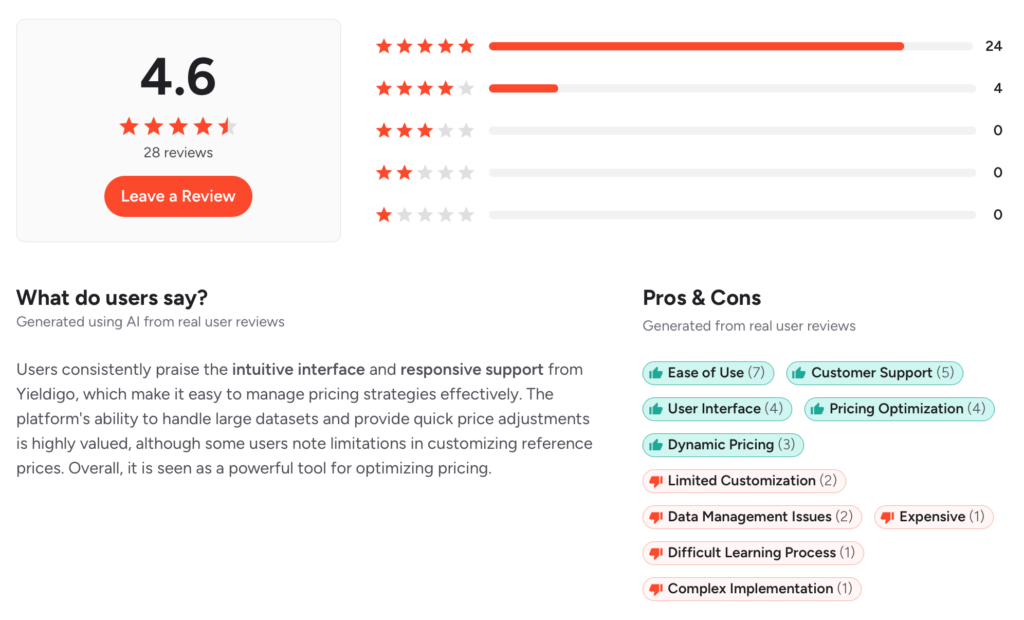
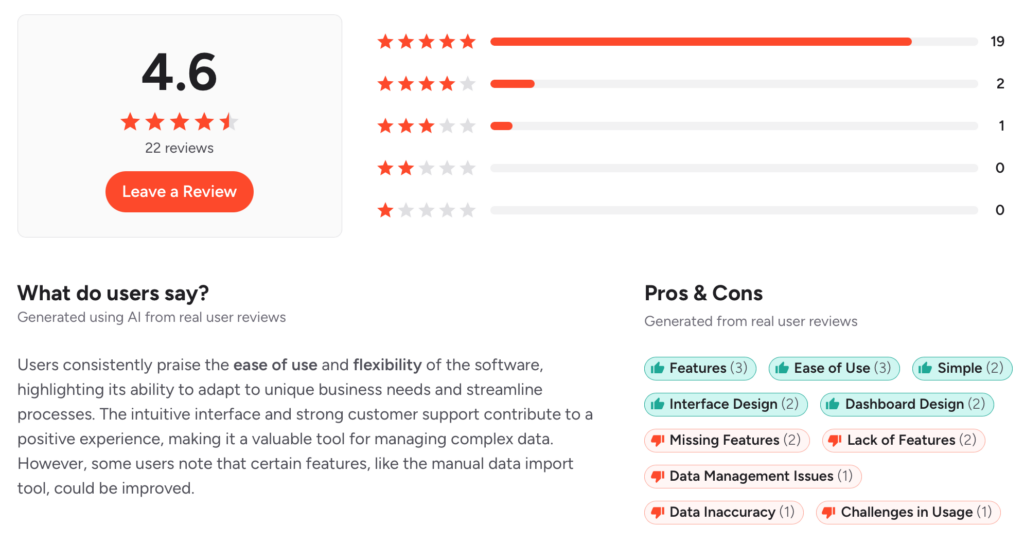
G2 Rating: 4.6 / 5
2. RELEX Solutions – Best for Unified Promotion and Retail Planning
What It Is?
RELEX Solutions provides AI-driven retail and supply chain planning software that connects promotion planning with forecasting, merchandising, space planning, replenishment, and other operational decisions. Its Promotion Planning solution is designed to support the promotional lifecycle from evaluating previous campaigns and planning future events to forecasting their impact and optimizing expected outcomes.
Best For
RELEX is best suited for retailers who want promotional management tightly integrated with demand forecasting, inventory replenishment, retail space, warehouse inventory, and supplier interactions. This makes it particularly relevant for complex retail environments, where the success of a promotion depends not only on selecting the right offer but also on having sufficient inventory and operational capacity to execute it.
Key Capabilities
- Promotion planning and execution. Teams can evaluate previous promotions, plan new campaigns, forecast their expected impact, and manage execution within a collaborative workflow.
- Promotion forecasting. RELEX uses its forecasting capabilities to estimate promotional demand and help teams prepare inventory and replenishment accordingly.
- Promotion optimization. AI-driven optimization helps determine which products, discounts, and locations are most appropriate for promotional objectives.
- Post-event evaluation. Historical campaigns can be evaluated with consideration for cannibalization and other effects that can distort apparent promotional uplift.
- Supplier Deal Management. Retailers and suppliers can jointly plan and evaluate promotional deals and associated funding.
Strategic Strengths
RELEX’s major strength is operational integration. A profitable promotion is of limited value if the retailer cannot supply enough inventory to the correct stores or if merchandising and supply chain teams are working from different versions of the plan. By connecting promotions with demand, replenishment, space, and supplier processes, RELEX allows promotional decisions to flow through the wider retail operation.
Pricing
RELEX does not publish standard pricing for its Promotion Planning solution. Pricing is quote-based and will depend on deployment scope and the combination of RELEX capabilities required.
G2 Rating: 4.6 / 5
3. Revionics – Best for Enterprise Promotion Optimization
What It Is?
Revionics is a retail pricing and promotion optimization platform whose Promotions Planning and Optimizationsolution is designed to support promotions from planning through performance measurement. The platform uses AI to help retailers simulate outcomes, optimize promotional strategies, and understand how individual offers affect wider commercial performance.
Best For
Revionics is best suited to large retailers with sophisticated pricing and promotion strategies that want to use AI to improve the financial impact of promotional offers.
It is particularly relevant when promotions need to account for competitive positioning, inventory conditions, cross-product effects, and multiple commercial objectives rather than simply generating short-term volume.
Key Capabilities
- Promotions Planning and Optimization. Supports planning, optimization, execution, and performance measurement across the promotional lifecycle.
- AI-based recommendations. Promotional plans can be optimized toward targeted business outcomes.
- Outcome simulation. Retailers can simulate promotional outcomes before committing to an offer.
- Cross-effect analysis. Revionics evaluates the wider effects of promotions rather than assessing each SKU entirely in isolation.
- Competitive context. Promotional strategies can take competitor pricing into account.
Strategic Strengths
Revionics is most effective when real promotions are treated as optimization problems, not just marketing efforts. The platform is designed to answer not only the question of which promotions should be run, but also which offers are most likely to yield the best results in line with established goals.
Pricing
Revionics does not publicly list standard pricing for Promotions Planning and Optimization. Enterprise buyers need to contact the company for pricing based on their deployment requirements.
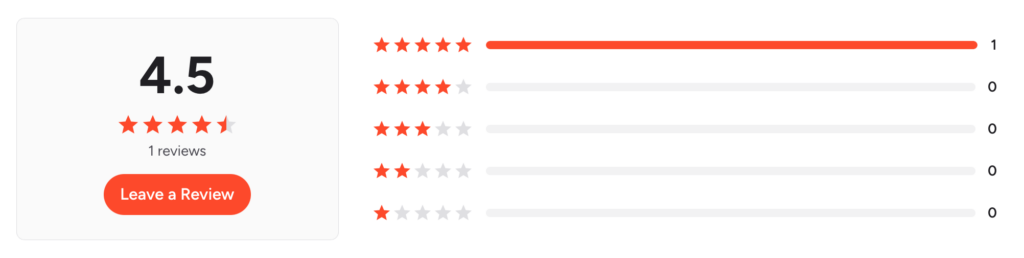
G2 Rating: 4.5 / 5
4. Competera – Best for AI-Driven Promotional Pricing Optimization
What It Is?
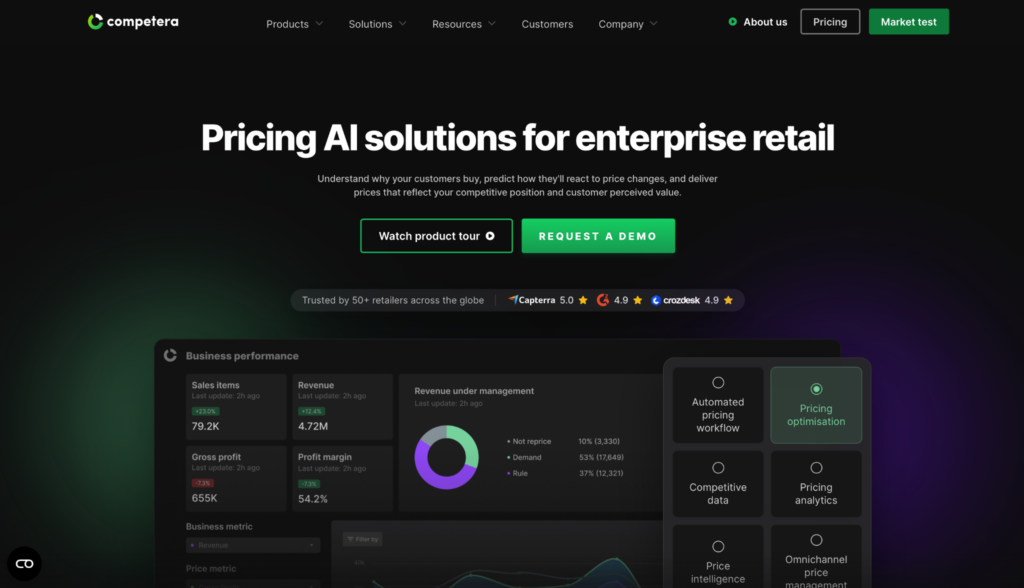
Competera is considered an AI-powered retail pricing platform designed to optimize decisions using demand signals, business constraints, competitor data, and other contextual factors. The platform’s Promo Engine analyzes the impact of various promotional elements and allows teams to compare different scenarios in a test environment for advertising campaigns.
Best For
Competera is best for retailers that view promotions primarily through the lens of pricing optimization and want AI-driven modeling to improve promotional price decisions. It is particularly relevant for organizations already investing heavily in pricing science, competitive pricing, and automated price recommendations rather than those whose primary requirement is supplier negotiation or promotional calendar workflow management. Retailers comparing competitive-pricing platforms or researching Prisync alternatives may also consider Competera when they need more advanced AI-driven pricing and promotion optimization.
Key Capabilities
- Promo Engine. Models the contribution of promotional elements and helps select better-performing scenarios.
- Promo sandbox. Enables teams to compare potential promotional pricing scenarios before execution.
- What-if simulations. Retailers can test pricing scenarios against commercial goals.
- AI-driven optimization. Contextual AI incorporates multiple pricing and non-pricing demand drivers.
- Pricing analytics. Detailed reporting provides visibility into pricing decisions and historical performance.
Strategic Strengths
Competera’s strength is the depth of its pricing intelligence, particularly when promotional decisions depend on competitive and demand signals. Rather than positioning promotions as an isolated module, it treats promotional pricing as one of several interconnected pricing decisions alongside regular pricing and markdowns.
This makes Competera compelling for retailers that want to understand how a proposed promotional price fits within wider demand, competitive, and profitability conditions.
Pricing
Competera does not publicly list standard subscription prices. G2 confirms that buyers need to contact the vendor directly for pricing and that no free trial is currently listed.
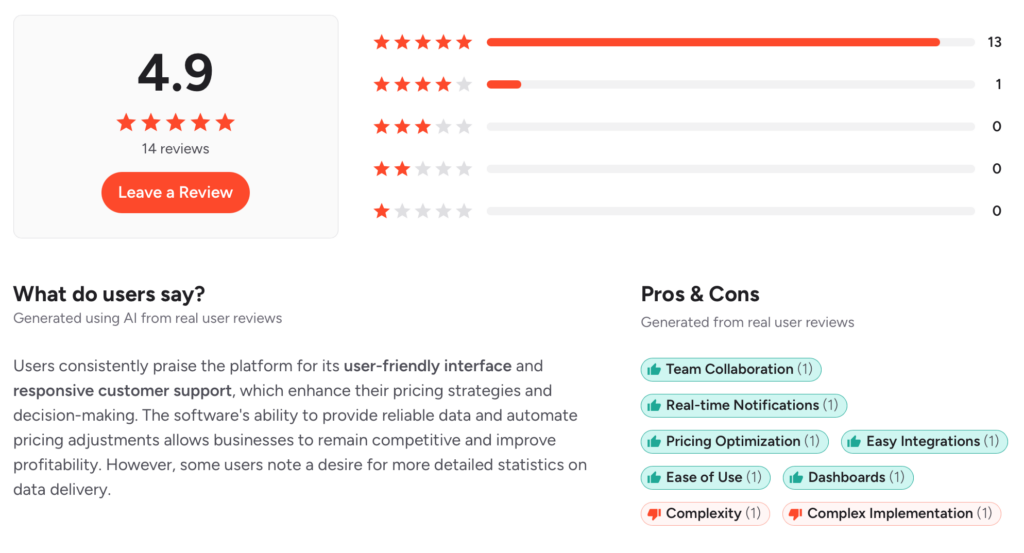
G2 Rating: 4.9 / 5
5. SymphonyAI – Best for AI-Powered Promotion Optimization and Analytics
What It Is?
SymphonyAI provides AI-powered retail and CPG solutions spanning merchandising, forecasting, pricing, promotions, supply chain, and related commercial decisions. Its Promotional Optimization solution focuses on predicting promotional lift and financial impact before retailers commit spend.
Best For
SymphonyAI is best suited to large retailers and CPG organizations that need sophisticated promotional analytics and AI-driven optimization. It is particularly compelling for organizations that want to quantify incremental lift, margin impact, cannibalization, and ROI and connect promotion decisions with wider category, merchandising, and demand processes.
Key Capabilities
- Pre-promotion modeling. Forecasts incremental sales and margin impact before spend is committed.
- Cannibalization detection. Identifies promotions that shift demand away from adjacent products.
- ROI forecasting. Proposed campaigns can be assessed based on projected return.
- Performance tracking. Separates baseline sales from incremental promotional lift.
- Promotion optimization. AI helps teams identify stronger offers and reduce ineffective promotional activity.
Strategic Strengths
SymphonyAI boasts a highly analytically sophisticated system for measuring the effectiveness of promotions. An increase in gross sales can create the impression of a promotion’s success, even if most of these sales would have occurred anyway or would have been redirected to related products.
Pricing
SymphonyAI does not publish standard pricing for Promotional Optimization. G2 also lists pricing details as unavailable, so enterprise buyers need to request a commercial proposal.
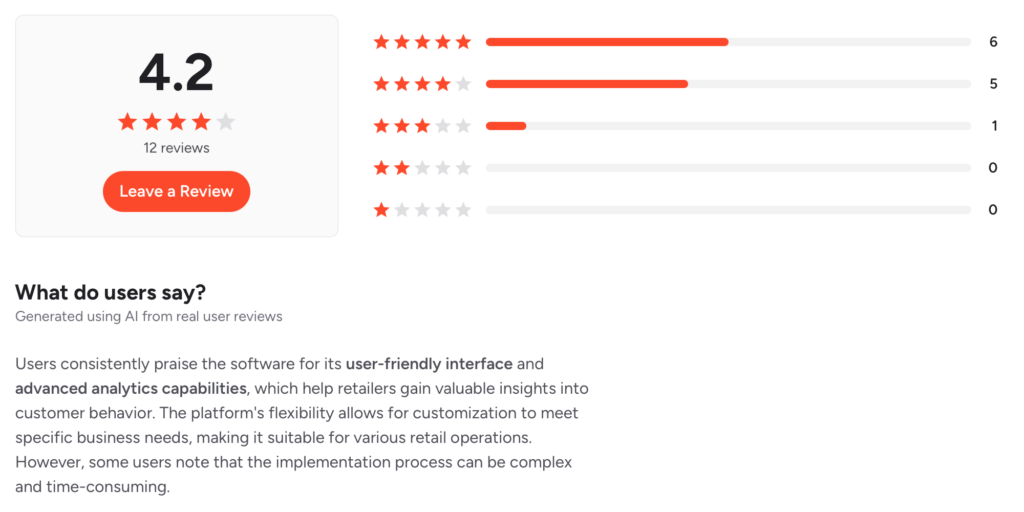
G2 Rating: 4.2 / 5
6. Blue Yonder – Best for Enterprise Retail Planning and Promotion Execution
What It Is?
Blue Yonder is a broad AI-driven supply chain and retail planning platform with capabilities spanning merchandise planning, demand, inventory, pricing, promotions, and execution. Its retail financial-planning offering includes Pricing and Promotion, using AI, machine learning, and advanced analytics to create data-driven price plans that balance inventory and demand.
Best For
Blue Yonder is best suited for large, complex retailers that already require enterprise-wide merchandise management systems for finance, supply chain, and inventory, and who want to integrate promotions into this ecosystem. This is especially relevant when consistency across brands, formats, locations, and sales processes is more important than implementing a dedicated promotions app.
Key Capabilities
- Pricing and promotion planning. Uses AI/ML and analytics to support price and promotional plans.
- Scenario modeling. Merchandise financial planning supports scenario analysis around financial and inventory decisions.
- Promotion execution. Promotional campaigns can be managed across locations from a centralized merchandising environment.
- Lifecycle pricing. Regular pricing, promotions, markdowns, and clearance can be managed as related pricing activities.
- Automated execution. Automation reduces manual coordination across banners and formats.
Strategic Strengths
Blue Yonder’s strength is enterprise breadth. Retailers using its ecosystem can connect promotions with merchandise financial planning, inventory, demand, pricing, and execution rather than creating another isolated workflow. This can be particularly important for large retailers where a promotion has consequences well beyond the merchandising team. The trade-off is that organizations looking only for specialized promotion management may find Blue Yonder broader than necessary.
Pricing
Blue Yonder does not publish standard pricing for its enterprise Pricing and Promotion capabilities. Commercial terms are provided through the company’s sales process and depend on the solutions and deployment scope selected.
G2 Rating: 4.0 / 5
7. Retail Express – Best for End-to-End Promotion Planning
What It Is?
Retail Express provides intelligent merchandising software covering promotions, pricing, category management, supplier collaboration, advertising, and related retail processes. Its promotion management solution supports different promotional mechanics, including approaches based on multiple unit pricing, alongside broader planning, forecasting, optimization, execution, and performance analysis.
Best For
Retail Express is best suited to retailers that want a broad end-to-end promotional workflow, particularly when promotion planning involves merchandising, suppliers, advertising, pricing, and complex offer mechanics. It is especially relevant to retailers that need more than pure price optimization and want to coordinate the practical commercial activities surrounding a campaign.
Key Capabilities
- Multi-year promotion planning. Promotional calendars can include events, activities, budgets, forecasts, and tracking.
- AI forecasting. Models likely outcomes across different promotional strategies.
- Promotion selection and pricing optimization. Evaluates promotional items within the context of category performance.
- Cannibalization and halo analysis. Models cross-effects between promotional offers.
- Supplier negotiation. Buyers can manage proposed deals, target discounts, and item-level promotional offers.
Strategic Strengths
Retail Express’s main advantage lies in the promotional process itself. While pricing is important, implementing promotions also requires calendaring, working with international suppliers, tendering mechanisms, advertising coordination, supply chain management, and post-event evaluation.
Pricing
Retail Express’s intelligent merchandising platform does not publish clear standardized pricing on the promotion-management pages and directs prospective customers to request a personalized demonstration. A caution here: the similarly named Retail Express by Maropost has public pricing on G2, but that is a POS product and should not be used as pricing evidence for the Retail Express intelligent-merchandising platform reviewed here.
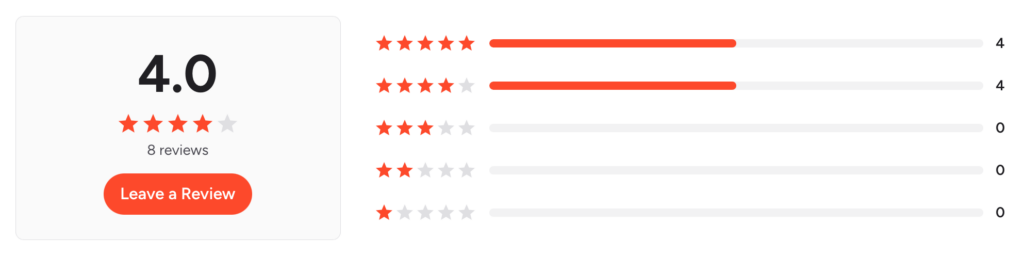
G2 Rating: 4.0 / 5
8. Retalon – Best for Promotion Optimization With Inventory Alignment
What It Is?
Retalon provides AI-powered retail planning, pricing, promotion, markdown, and inventory optimization software. Its Promotion Optimization solution uses retail AI to recommend promotions and model their likely financial and operational effects before execution.
Best For
Retalon is best suited to retailers that want promotion optimization closely connected with inventory and broader retail planning. It can be particularly useful where promotions create substantial inventory risk and teams need to understand not only expected uplift but also how stock levels should change to support the campaign.
Key Capabilities
- AI promotion recommendations. Can suggest promotions based on predicted performance.
- What-if simulations. Projects promotion uplift and profitability before execution.
- Cannibalization modeling. Accounts for demand transferred between products.
- Price elasticity. Incorporates price-response behavior into promotional modeling.
- Cross-SKU analysis. Identifies affinity and relationships among products and product families.
Strategic Strengths
Retalon’s key competitive advantage lies in the connection between optimization and inventory planning. A campaign may be commercially attractive on paper, but it will still fail if the product sells out when demand increases, or if excess inventory accumulates when demand is overestimated.
Pricing
Retalon does not publish standard prices for its Promotion Optimization software. Prospective customers are directed to request a live demo and discuss deployment requirements with the vendor.
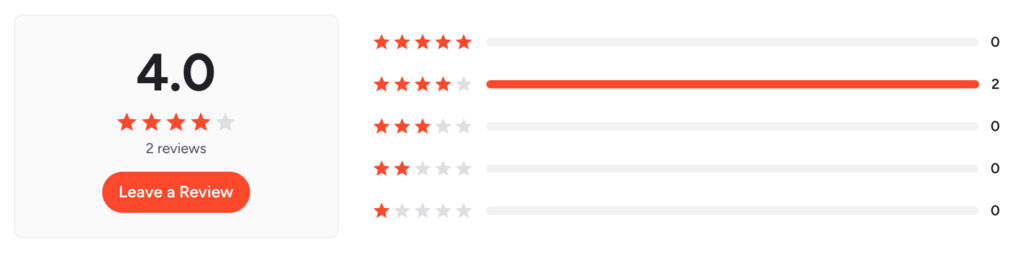
G2 Rating: 5.0 / 5
9. Impact Analytics – Best for AI-Native Promotion Planning and Orchestration
What It Is?
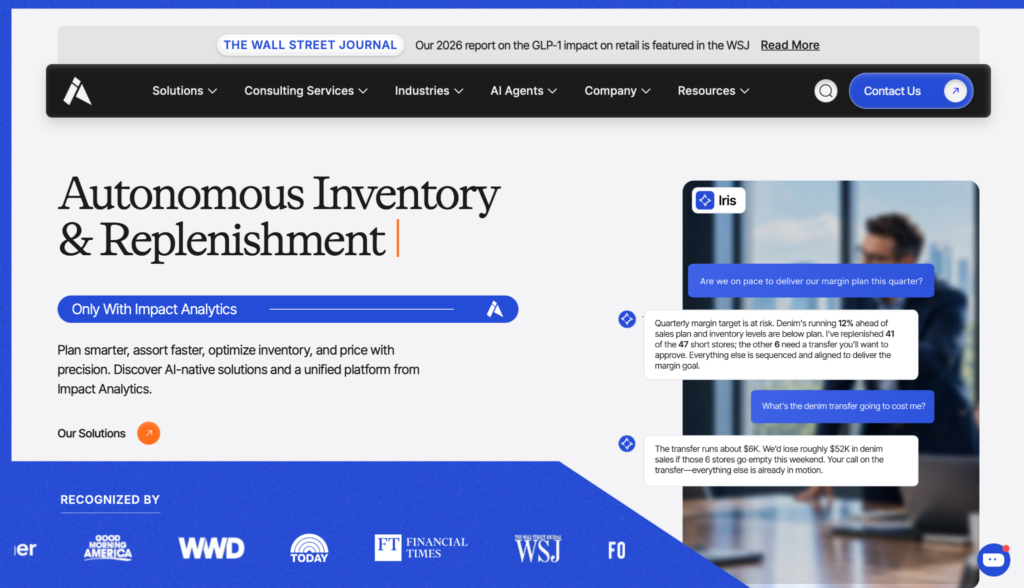
Impact Analytics offers PromoSmart, an AI-native promotion planning platform designed to evaluate promotional structures before they are committed to the calendar. The current version emphasizes what Impact Analytics calls autonomous orchestration: promotion decisions are continuously aligned with pricing, inventory, and markdown strategies rather than optimized in isolation.
Best For
Impact Analytics is best for retailers looking for AI-heavy promotion planning, scenario testing, and automated orchestration across promotions and related retail decisions. It is especially relevant for teams trying to move away from repeating last year’s promotional calendar and toward systematically ranking events according to expected incremental and margin contribution.
Key Capabilities
- AI-native promotion planning. Evaluates proposed promotions against consistent financial criteria.
- Scenario testing. Models different promotion mechanics and compares expected outcomes.
- Revenue and margin forecasting. Forecasts financial impact before promotions are finalized.
- Cannibalization and affinity analysis. Measures secondary effects beyond direct SKU uplift.
- Integrated promotion calendar. Provides shared visibility across marketing, merchandising, and planning.
Strategic Strengths
Impact analysis, while particularly effective when analyzing sales growth during a promotion, does not automatically prove that the campaign created value: some customers may have purchased the product at full price, some demand may have been deferred to an earlier date, and some sales may have been redirected to substitute products.
Pricing
Impact Analytics does not publish standard PromoSmart pricing. Prospective customers need to contact the company for pricing based on their deployment and product requirements.
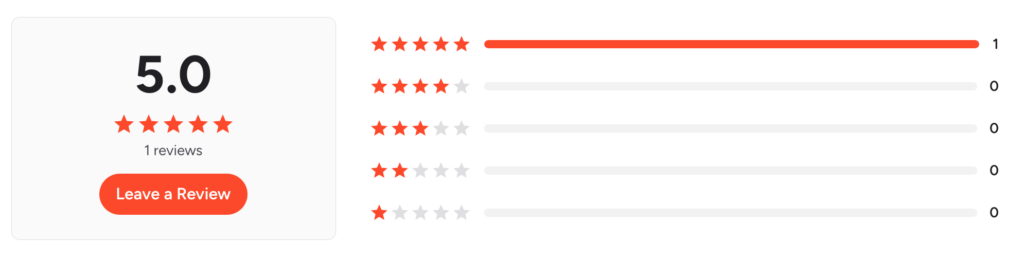
G2 Rating: 4.5 / 5
10. Oracle Retail – Best for Enterprise Lifecycle Pricing and Promotion Optimization
What It Is?
Oracle Retail’s Lifecycle Pricing Optimization (LPO) is an enterprise pricing solution that determines optimal pricing and timing for promotions, markdown pricing, regular prices, and targeted offers. It uses AI and machine-learning models to make recommendations around which items should be promoted, when promotions should run, and how deep the promotional price should be.
Best For
Oracle Retail is best for large enterprise retailers already operating complex Oracle retail environments or organizations that need promotion optimization as part of broader lifecycle pricing and merchandising infrastructure. It is particularly relevant when promotional pricing must be coordinated with regular prices, markdowns, targeted offers, inventory objectives, and enterprise planning processes.
Key Capabilities
- Promotional price recommendations. Recommends temporary price reductions using forecast data and business configurations.
- Promotion timing and depth optimization. Determines when and how deeply products should be promoted.
- AI/ML optimization. Uses advanced models to evaluate potential pricing paths and select recommendations aligned with objectives.
- Business-rule constraints. Supports rules around budget, objectives, sell-through, timing, pricing groups, inventory, and related factors.
- Impact forecasting. Estimates expected effects on sales, margin, and inventory.
Strategic Strengths
Oracle’s key advantage is lifecycle optimization at enterprise scale. Rather than treating the promotional price as a standalone decision, LPO considers promotions alongside regular prices, markdowns, inventory, and targeted offers.
Pricing
Oracle does not disclose standard pricing to optimize pricing throughout the product lifecycle. Enterprise customers should request pricing based on Oracle’s retail products, implementation volume, and service needs.
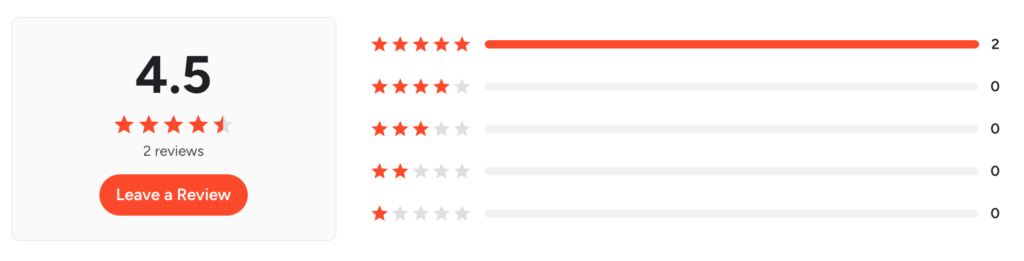
G2 Rating: 4.2 / 5
11. SAP – Best for Omnichannel Promotion Management for Enterprise Retail
What It Is?
SAP provides a broad set of retail promotion capabilities designed to help enterprise retailers plan promotional offers and maintain consistent promotional pricing across physical and digital sales channels. SAP Promotion Management acts as a central source of promotional data, supporting campaigns, events, offers, and related information, while predictive algorithms within SAP Customer Activity Repository can support collaborative promotion planning. Its wider retail environment also uses predictive analytics to support pricing and promotion planning and help teams evaluate potential commercial outcomes.
Best For
SAP is best suited to large enterprise retailers with complex omnichannel operations, particularly organizations already using SAP S/4HANA, SAP Customer Activity Repository, or other components of the SAP retail ecosystem. It is especially relevant when the primary requirement is to keep promotional rules and effective selling prices consistent across stores, e-commerce, sales applications, and other customer touchpoints.
Key Capabilities
- Centralized promotion management. SAP Promotion Management provides a shared source of promotional information for participants across the retail promotion process.
- Omnichannel promotion pricing. SAP OPP centralizes promotional price calculation so the same promotional rules can be applied consistently across different sales channels.
- Flexible promotion mechanics. SAP supports simple discounts as well as more complex mix-and-match offers involving multiple products.
- Promotion-aware forecasting and planning. Promotional offers are incorporated into SAP’s retail demand environment rather than treated entirely separately from demand planning.
- Integration with broader retail pricing. SAP’s retail architecture connects promotions with regular pricing and broader lifecycle pricing processes.
Strategic Strengths
SAP’s main strength is its ability to support consistent promotion execution across a complex enterprise retail environment. When stores, e-commerce platforms, and other sales applications rely on separate promotion-calculation logic, customers can encounter different prices or eligibility rules depending on where they shop. SAP OPP addresses this by centralizing the promotional rules and effective-price calculation used across channels.
Pricing
SAP does not publish a standard price for SAP Omnichannel Promotion Pricing on its product page. Potential customers are advised to request a demo and discuss their requirements with SAP. SAP documentation also states that using Omnichannel Promotion Pricing with the SAP Customer Activity Repository requires a separate license.
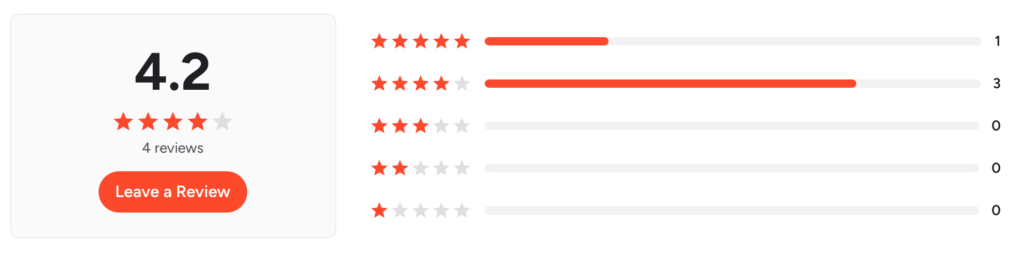
G2 Rating: 4.2 / 5
12. Pricefx – Best for Promotion ROI and Margin Optimization
What It Is?
Pricefx is an AI-first enterprise pricing platform with capabilities covering price management, optimization, quoting, agreements, promotions, rebates, and channel management. Its dedicated Pricefx Promotions capability provides a centralized environment for designing, simulating, executing, and measuring promotional campaigns, with a particular emphasis on understanding whether promotional spend generates profitable incremental volume.
Best For
Pricefx is best suited to large organizations running frequent promotions across products, customers, segments, and regions that want tighter control over promotional ROI and margin. It is particularly relevant when commercial teams need to understand whether discounts are generating genuinely profitable volume or simply giving margin away to customers who might have purchased anyway.
Key Capabilities
- Promotion calendar and centralized planning. Pricefx provides a calendar showing active and upcoming promotions together with their timing, terms, status, and history.
- Simulation and ROI modeling. Before a campaign goes live, Pricefx can model expected volume lift and margin impact.
- Flexible promotion structures. Teams can configure standardized or custom discounts and combine multiple offer types within a promotion.
- AI-supported promotion optimization. Pricefx incorporates AI into the promotion process through capabilities such as the Promo Pricing Agent and Promotion Volume Agent.
- Performance analytics and approval workflows. Pricefx tracks promotional ROI, margin changes, and historical performance, creating a feedback loop between previous campaigns and future planning.
Strategic Strengths
A key differentiator for Pricefx is its focus on the economics of promotions. Instead of evaluating a campaign solely based on gross sales or volume, the platform encourages teams to consider whether the promotion has changed customer behavior enough to justify the discount, and whether the resulting volume has maintained or increased margins.
Pricing
Pricefx does not publish standard subscription prices for its Promotions capability on its public website. Prospective customers are directed to request a demo and commercial proposal. Because Promotions sits within a broader enterprise pricing platform and can connect with Price Management, AI Optimization, Agreements, Rebates, Quoting, and other capabilities, actual pricing will depend on the scope of the implementation and modules required.
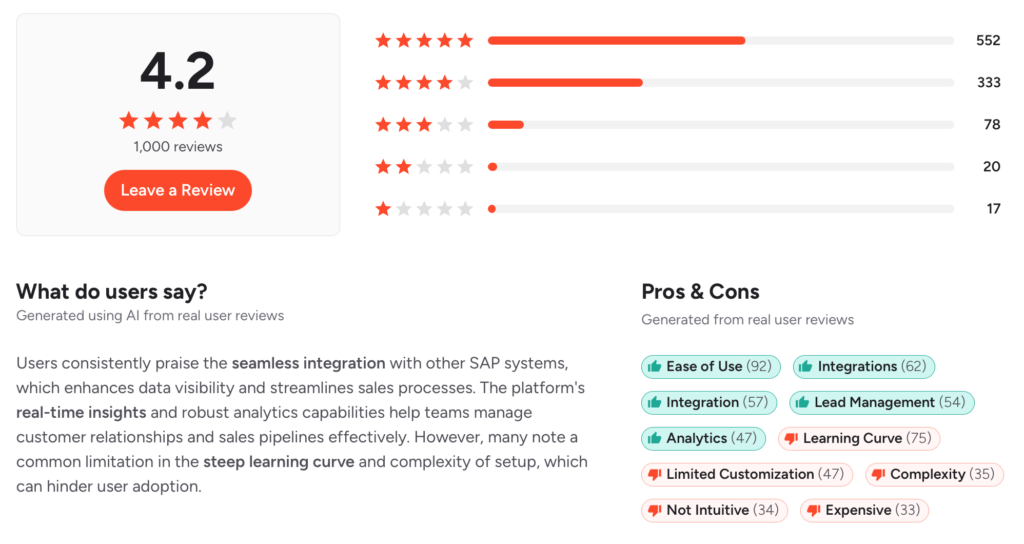
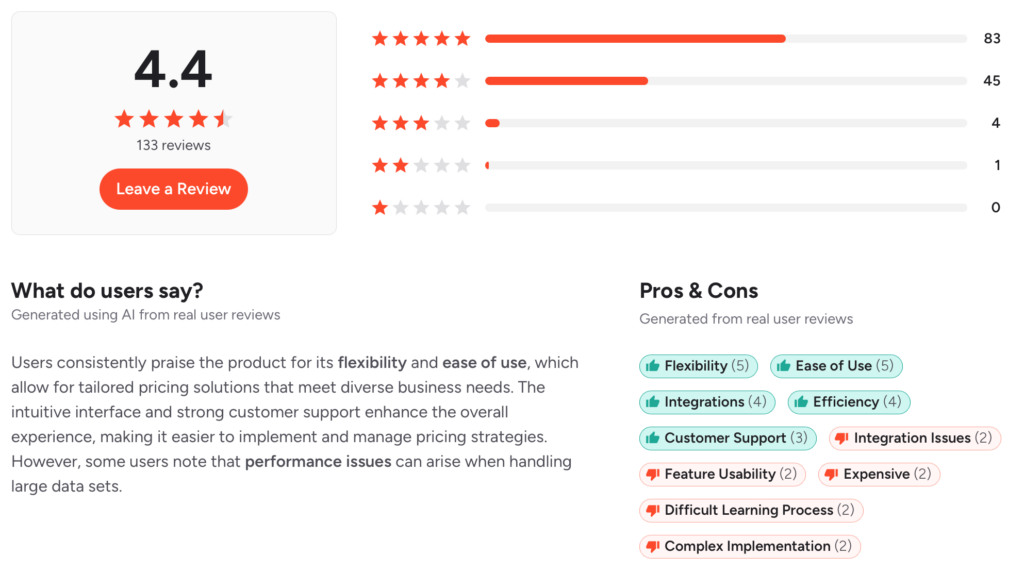
G2 Rating: 4.4 / 5
What Features Should Retail Promotion Management Software Have?
The best retail promotion management software should do more than provide a calendar for scheduling discounts. Promotions affect demand, margins, inventory, category performance, and customer behavior, so retailers need tools that help them understand the likely commercial impact of a campaign before it reaches stores or online channels. This is particularly important given that NielsenIQ estimates that nearly 50% of promotional sales come from purchases that would have happened even without the promotion. A strong platform should therefore combine planning with forecasting, simulation, performance measurement, and collaboration.
- Centralized promotion planning and calendar management. Retailers should have one place to manage campaigns, products, promotional dates, stores, channels, mechanics, and responsibilities. A centralized calendar reduces the risk of conflicting promotions or different teams working from outdated spreadsheets. It also gives pricing, category, buying, and marketing teams visibility into upcoming activity.
- Promotional demand forecasting. Good software should distinguish expected baseline demand from the additional demand created by a promotion. Historical sales alone can be misleading because demand is also influenced by seasonality, pricing, holidays, availability, competitor activity, and previous campaigns. Forecasting models can help retailers estimate how many additional units a promotion is likely to generate and prepare inventory accordingly.
- Promotion simulation and scenario testing. Retailers should be able to test different products, promotional prices, discount depths, mechanics, and campaign periods before committing to a plan. Scenario simulation makes it possible to compare alternatives based on expected sales, margin, or profit rather than intuition alone.
- Cannibalization and halo analysis. Increased sales of individual products doesn’t necessarily mean the promotion has generated additional profits for the retailer. The promoted product may simply lure customers away from similar products in the same assortment, a phenomenon known as cannibalization. Conversely, some campaigns can create a halo effect, increasing demand for related products or products in a broader category.
- Margin and profitability analysis. Promotional performance should never be judged by sales volume alone. A large uplift can still produce a weak result if the discount destroys too much margin or subsidizes customers who would have purchased at the regular price. Retail promotion management software should therefore help teams evaluate metrics such as revenue, gross margin, incremental sales, profit, and promotional ROI.
How to Choose the Right Promotion Management Software
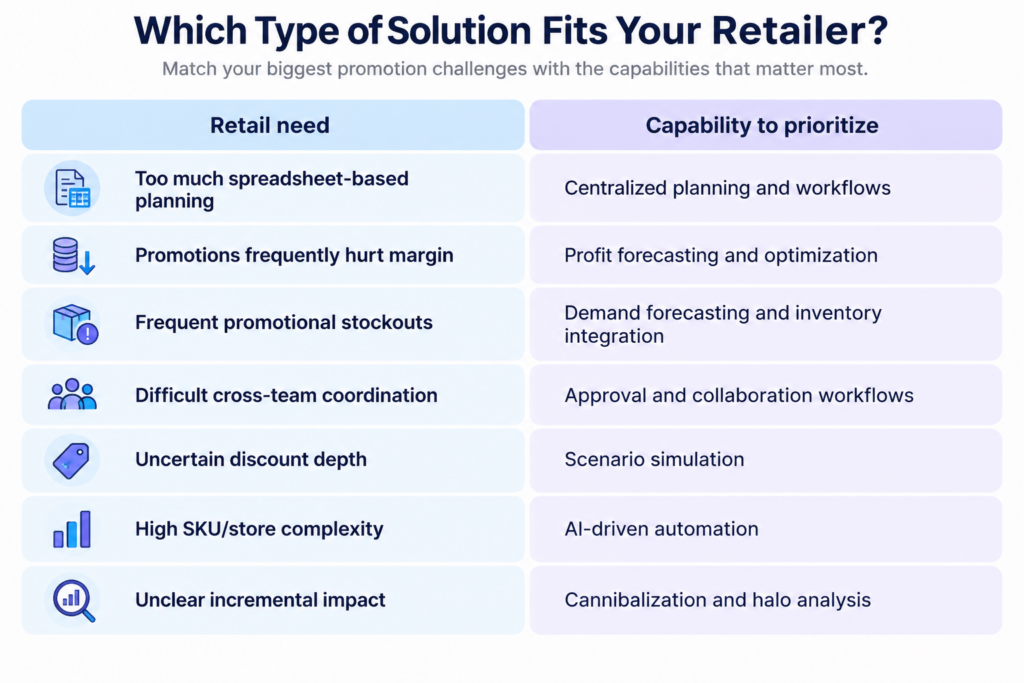
Choosing the right platform starts with understanding the retailer’s own promotion process rather than immediately comparing vendor feature lists. A business running several hundred SKUs across a small store network will have very different requirements from a retailer managing hundreds of thousands of products across countries, channels, banners, and price zones. The frequency and complexity of promotions should therefore shape the evaluation from the beginning.
Start with assortment, store, and channel complexity
Consider how many SKUs, categories, locations, websites, markets, and price zones the system will need to support. A promotion management platform should remain practical as the volume of pricing and promotional decisions increases. Retailers operating across several channels should also consider whether campaigns can be planned consistently while still allowing appropriate local or channel-level differences.
Assess the complexity of your promotional strategy
Retailers running occasional percentage discounts may need much less functionality than businesses using weekly campaigns, loyalty offers, bundles, or complex multibuy promotions alongside coupons, supplier-funded promotions, and category-wide events. Consider how often promotions run, how many mechanics are used, and how many teams participate in planning them.
Define the level of forecasting and optimization you need
Some metrics primarily help teams organize promotional campaigns, while others use artificial intelligence and magnetic learning to forecast demand, recommend promotional prices, select products, or optimize campaigns based on competitive objectives. Retailers should decide whether they simply need greater transparency or whether the platform can actively improve promotional decision-making. It’s also crucial to understand the variables that can be included in the baseline, including seasonality, elasticity, channelization, inventory, and historical performance.
Evaluate integration with pricing and inventory processes
Promotions do not operate independently from the rest of retail planning. Discount decisions interact with regular prices and markdowns, while promotional demand has direct consequences for replenishment and inventory availability. Retailers should therefore determine whether the new system can exchange relevant data with existing pricing software, merchandising, ERP, forecasting, and replenishment tools.
Review workflows, analytics, and implementation requirements
The system needs to fit the people who will actually use it, not just meet technical requirements. Look at how plans move between pricing managers, category managers, buyers, marketers, and approvers, and whether responsibilities and changes are transparent. Reporting should also reflect the KPIs the retailer uses to evaluate promotions, from sales and margin to incrementality and ROI.
Benefits of Retail Promotion Management Software
Retail promotions are often among the most frequent and commercially significant decisions a merchandising or pricing team makes. When those decisions are managed through spreadsheets and historical rules of thumb, it can be difficult to understand what genuinely drives incremental sales and what simply creates unnecessary discounting. Retail promotion management software gives teams a more structured way to plan, forecast, execute, and evaluate campaigns.
- More profitable promotional decisions. Promotion software allows retailers to evaluate campaigns using expected sales, margin, profit, and incremental impact rather than focusing only on volume uplift. Teams can identify cases where a large discount generates attractive sales figures but weak financial returns. They can also compare alternative scenarios and look for offers that achieve the desired customer response with less margin sacrifice.
- Better forecasting and inventory preparation. Promotions can create sudden demand spikes that are difficult to manage with standard baseline forecasts. By incorporating planned promotional activity into demand estimates, retailers can prepare inventory and replenishment decisions earlier. This reduces the risk that a successful campaign results in empty shelves or lost online availability.
- Less reliance on spreadsheets and manual work. Large promotional calendars can involve thousands of product, store, date, and price combinations, making manual coordination increasingly difficult. Centralized software reduces repetitive spreadsheet manipulation and makes campaign information accessible to all relevant teams. Pricing automation, recommendations, alerts, calculations, and workflows can further reduce time spent on routine planning tasks.
- Clearer understanding of incremental performance. Increased sales as a result of a promotion does not necessarily translate into increased revenue. Some shoppers would have made a purchase even without the discount, while others may have been diverted from competing products within the retailer’s own assortment. Advanced promotional analytics can take into account underlying demand, cannibalization, halo effects, and other factors, allowing for a more realistic assessment of the campaign’s effectiveness.
- Stronger collaboration and accountability. Promotion planning often involves pricing, merchandising, category management, buying, marketing, supply chain, and finance. When each team works in separate systems or files, approvals can become slow and decisions difficult to trace. A shared promotion management platform provides visibility into campaign status, assumptions, responsibilities, and expected results.
Conclusion
The best retail promotion management software helps retailers move beyond spreadsheet-based planning and evaluate promotions as measurable commercial decisions. By combining centralized planning, demand forecasting, scenario simulation, profitability analysis, and performance measurement, these platforms can help teams understand not only which promotions drive sales, but which ones create genuine incremental value, especially as one in four FMCG units in Western Europe is now sold on promotion, according to NIQ. The right solution should ultimately reflect the retailer’s assortment size, promotional complexity, existing technology stack, and need for automation and cross-functional collaboration.
For retailers that want promotion management closely connected with broader pricing optimization, Yieldigo stands out as a particularly strong option. Its combination of Promo Planner, Promo Simulator, promotional forecasting, AI-supported recommendations, cannibalization analysis, and post-promotion analytics allows teams to assess campaigns before and after execution while keeping promotional decisions connected to regular pricing and markdown strategy. Other platforms used in this comparison offer powerful enterprise-wide planning features, such as inventory optimization or targeted advertising campaign optimization, to identify which aspects of your retail product promotion process need improvement.
Frequently Asked Questions
What Is Promotion Optimization Software?
Promotion optimization software helps retailers determine which products to promote, when to run promotions, and what discount levels are most likely to achieve specific business goals. It combines historical sales data, demand patterns, pricing information, and forecasting models to evaluate potential promotional outcomes. More advanced platforms also use AI to recommend promotional scenarios that balance sales growth with margin and profitability.
How Does AI Improve Promotion Planning?
AI can analyze large volumes of retail data and identify patterns that would be difficult to evaluate manually across thousands of products and stores. It can help forecast promotional demand, recommend discount levels, identify suitable products, and simulate potential campaign outcomes. This allows retail teams to make promotion decisions based on expected commercial impact rather than relying primarily on historical campaigns or intuition.
What Is Promotional Uplift Forecasting?
Forecasting sales growth as a result of a promotion allows you to estimate the additional demand expected to be generated by the promotion compared to normal sales levels. This helps retailers distinguish the likely impact of the campaign from the demand that would have occurred without the discount. Accurate sales growth forecasts can also aid in inventory planning and assessing whether the expected sales increase justifies the investment in the promotion.
How Does Promotion Optimization Improve ROI?
Promotion optimization improves ROI by helping retailers identify campaigns that are more likely to generate profitable incremental sales. Instead of maximizing sales volume alone, optimization software can evaluate factors such as discount depth, expected demand, margin, and promotional costs. Retailers can then compare scenarios and prioritize promotions expected to deliver stronger financial returns.
How Do Promotions Affect Inventory Planning?
Promotions can cause significant changes in product demand, increasing the risk of stockouts when uplift is underestimated or excess inventory when it is overestimated. Connecting promotion plans with demand forecasting gives inventory and replenishment teams earlier visibility into expected changes. This helps retailers position appropriate stock across stores and channels before a campaign begins.
What Is the Difference Between Promotion Planning and Optimization?
Promotion planning focuses on organizing campaigns, including products, dates, discount mechanics, channels, and responsibilities. Promotion optimization goes further by using data and analytical models to determine which promotional decisions are most likely to achieve specific objectives. Many modern retail platforms combine both capabilities, allowing teams to plan campaigns and evaluate or optimize their expected results within the same workflow.
How Does Promotion Optimization Protect Margins?
Promotional optimization helps protect profits by identifying instances where discounts may be higher than necessary to achieve the desired customer response. It allows for comparison of expected sales and profits at different prices and corresponding promotions before their implementation. Advanced analysis can also account for effects such as cannibalization, when increased sales of one advertised product occur at the expense of another.
How Can Businesses Measure the Effectiveness of Their Promotions?
Retailers should evaluate promotions using a combination of sales uplift, incremental sales, revenue, gross margin, profit, and promotional ROI. Looking only at sales growth can be misleading because some promotional purchases would have occurred even without the discount. Cannibalization, halo effects, baseline demand, and inventory availability can provide additional context for understanding the campaign’s true commercial impact.
What Industries Benefit From Promotion Optimization Software?
Promotion optimization software can benefit retailers with large assortments, frequent price changes, or significant promotional activity. Common examples include grocery, drugstore and beauty, consumer electronics, DIY and home improvement, pet supplies, sporting goods, automotive parts, and e-commerce. The technology is particularly valuable when teams need to make and coordinate large numbers of promotional decisions across products, stores, or channels.
How Much Does Retail Promotion Management Software Cost?
Retail promotion management software typically does not have a single standard price, particularly for enterprise platforms. Costs can depend on factors such as assortment size, number of stores or markets, required modules, integrations, implementation scope, and the level of forecasting or optimization required. Many of the vendors in this comparison therefore provide customized pricing after evaluating the retailer’s requirements.