Every purchase is a decision about value. For customers, the question is whether a product is worth its price. For businesses, it’s how to encourage customers to buy more without making the offer feel like a compromise. Bundle pricing addresses both sides by combining two or more products or services into a single package, often at a lower total price than buying each item separately. Done well, it can increase average order value, move complementary products, simplify purchasing decisions, and give customers a stronger reason to choose one offer over another.
But bundling is more than putting products together and offering a discount. The right combination can increase perceived value, improve profit margins, and strengthen customer loyalty, while a poorly designed bundle can erode profitability or leave shoppers paying for items they don’t need. As competition intensifies and customers become more deliberate about how they spend, businesses need pricing strategies that balance attractive offers with sustainable growth. This guide explores what bundle pricing is, how it works, the different types and real-world examples, and the strategies businesses can use to build profitable bundles in 2026.
Table of Contents
- What is a bundle pricing?
- Why is bundle pricing important?
- How Does Bundle Pricing Work in Retail?
- Types of Bundle Pricing Strategies
- Benefits of Bundle Pricing for Retailers
- Disadvantages of Bundle Pricing
- Bundle Pricing Examples Across Retail Industries
- How to Calculate a Profitable Bundle Price
- How to Build a Bundle Pricing Strategy: Best Practices
- Common Bundle Pricing Mistakes and Challenges
- How to Measure Bundle Pricing Performance
- Conclusion
- Frequently Asked Questions
What Is a Bundle Pricing?
Bundle pricing is a pricing strategy in which two or more products are sold together as a single offer, typically at a lower total price than if purchased separately. For grocery retailers, multibuy management can help coordinate these offers alongside other promotional activities. For example, a supermarket may offer pasta, sauce, and grated cheese together at a discounted price instead of selling each product individually. This allows shoppers to purchase everything they need for a meal as part of a single offer, often resulting in cost savings. For retailers, creating such bundles can stimulate additional purchases, increase the average transaction value, and help introduce customers to new products. It should be noted, however, that the effectiveness of this approach depends entirely on the careful selection of items and the setting of price points that ensure profitability is maintained.
Why is bundle pricing important?
Bundle pricing helps retailers increase sales, improve customer convenience, and encourage larger purchases. By combining complementary products into one attractive offer, businesses can strengthen customer value while supporting broader commercial objectives. For grocery and FMCG retailers, this approach is particularly effective for everyday shopping needs, such as meal preparation and household essentials.
The key benefits of bundle pricing include:
- Higher Average Order Value: Encourages customers to purchase more products in a single transaction.
- Improved Inventory Turnover: Helps move slower-selling products alongside popular items.
- Better Customer Experience: Simplifies purchasing decisions and provides convenient, cost-effective solutions.
- Increased Profitability: Supports cross-selling and revenue growth when discounts are carefully managed.
Effective retail promotion management helps retailers coordinate bundle offers, optimize discounts, and maintain profitability across product categories.
When to Use Bundle Pricing
Pricing based on product bundles is particularly effective when retailers aim to increase the average transaction value, encourage the purchase of complementary items, or introduce new products to the market. This approach works especially well during seasonal promotions, inventory clearance campaigns, or when bundling frequently purchased items together. Nevertheless, retailers must carefully evaluate consumer demand, profit margins, and product compatibility to ensure that such offers create genuine additional value rather than simply cannibalizing sales that would have otherwise occurred at full price.
How Does Bundle Pricing Work?
Bundle pricing works by combining multiple products into a single offer with a shared price or discount. Depending on the retailer’s objectives, bundles can use fixed prices, percentage-based discounts, or flexible pricing rules. These approaches make complementary products more attractive while encouraging customers to purchase multiple items in one transaction.
Fixed Price Bundles
Fixed price bundles combine selected products into one package at a predetermined price. For example, a supermarket might offer pasta, sauce, and cheese together for €7 instead of €9 when purchased separately. Customers know exactly how much they will pay, while retailers can use the combined offer to encourage cross-category purchases.
Percentage-Based Discounts
Percentage-based bundles offer customers a specific discount when they purchase qualifying products together. For example, a grocery retailer might provide 15% off when shoppers buy selected breakfast items as a package. While multiple unit pricing typically encourages customers to purchase larger quantities, percentage-based bundles can promote complementary products across different retail categories.
Dynamic Bundle Pricing
Dynamic bundle pricing adjusts the combined offer based on factors such as product selection, demand, or predefined promotional rules. For example, a retailer might offer different discounts depending on which products customers include in a customizable bundle. This approach provides greater flexibility but requires careful monitoring of margins, customer response, and overall profitability.
Customizable Product Bundles
Customizable bundles allow your customers to select from a range of eligible items while benefiting from a combined price. For example, a supermarket might let shoppers choose a main dish, a beverage, and a side dish as part of a bundle. This flexibility accommodates diverse preferences and encourages customers to make purchases across multiple product categories.
For retailers in the food and fast-moving consumer goods (FMCG) sectors, effective bundle pricing has always relied on striking a balance between offering attractive deals to customers and maintaining sustainable profitability. In this context, data-driven pricing optimization and promotional strategies can help your business evaluate various bundle configurations, identify opportunities to improve overall category performance, and gain insights into shopper behavior.
Types of Bundle Pricing Strategies
Retailers employ various pricing strategies for product bundles, depending on the items offered, customer preferences, and business objectives. Opting for add-on offerings can help your business increase the value of purchases, ensure profitability, and encourage additional buying.
- Pure Bundling: Products are sold exclusively as a package and cannot be purchased separately. For example, a retailer may offer a complete meal kit containing preselected ingredients at a single price.
- Mixed Bundling: Customers can purchase products individually or together at a discounted price. This approach is particularly effective in grocery retail, where shoppers value flexibility and savings on complementary products.
- Customizable Bundles: Customers select products from a predefined range to create their own bundle. For example, a supermarket may allow shoppers to choose a main dish, side, and drink at a combined price.
- BOGO (Buy One, Get One): Customers receive an additional product for free or at a reduced price when purchasing a qualifying item. This promotional approach is commonly used in grocery and FMCG retail to encourage larger purchases and increase product turnover.
- Cross-Sell Bundles: Complementary products are combined to encourage additional purchases. For example, a retailer may offer coffee with breakfast biscuits or a smartphone with compatible accessories to increase basket value.
- Leader Bundling: A popular, high-demand product is combined with a less familiar or slower-selling item to encourage product discovery. Retailers can use this approach to improve inventory movement while protecting margins on bestselling products.
Unlike dynamic pricing software, which supports adjusting prices in response to changing market conditions, bundle pricing focuses on creating value through product combinations and promotional offers. Both approaches can contribute to a broader retail pricing strategy.
Benefits of Bundle Pricing for Retailers
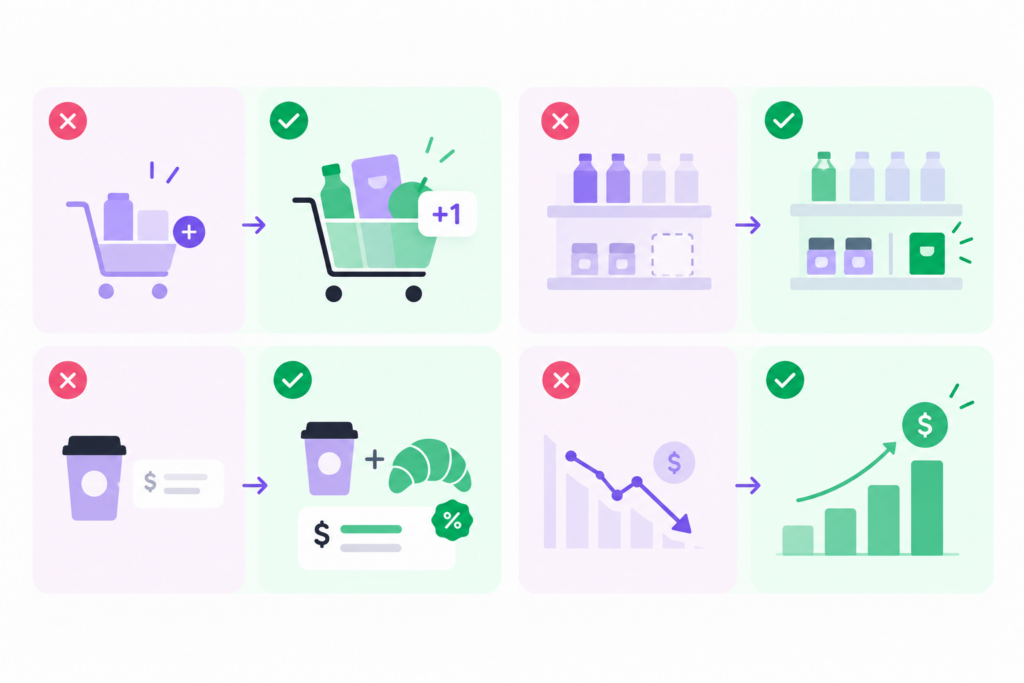
A well-crafted strategy for creating product bundles can boost profitability, enhance the customer experience, and drive an increase in retail sales. By grouping complementary products into attractive offers, retailers can encourage customers to make larger purchases, strengthen customer relationships, and accelerate inventory turnover. Naturally, however, achieving success requires a carefully considered discount structure, a thoughtful selection of products, and effective execution of the strategy.
Increasing Average Order Value and Basket Size
Bundle pricing encourages customers to purchase additional products in a single transaction, increasing average order value and basket size. For example, combining coffee with breakfast biscuits may motivate shoppers to buy both items instead of just one. Broader strategies such as yield management pricing also demonstrate how businesses can align pricing decisions with demand patterns and revenue objectives.
Improving Inventory Movement and Product Discovery
Retailers can use bundles to introduce lesser-known products alongside popular items, encouraging customers to explore new categories. This approach can also help move slower-selling inventory without relying entirely on standalone discounts. However, product combinations must remain relevant to customer needs to avoid dissatisfaction and unnecessary margin reductions.
Supporting Customer Value and Retail Profitability
Convenient product bundles can improve perceived value by offering customers complementary items at an attractive combined price. Applying price optimization principles helps retailers balance customer savings with product costs, demand, and profitability objectives. This ensures that bundle promotions contribute to sustainable commercial performance rather than simply increasing sales volume.
Strengthening Customer Loyalty and Retention
Relevant bundle offers can encourage repeat purchases by making everyday shopping more convenient and rewarding. Grocery and FMCG retailers can create recurring bundles around common shopping needs, such as weekly meal preparation or household essentials. When customers consistently find useful combinations at competitive prices, retailers can strengthen satisfaction and support long-term customer loyalty.
Disadvantages of Bundle Pricing
Although bundle pricing can increase sales and improve customer value, it also presents several challenges for retailers. Poorly planned bundles may reduce profit margins, create inventory management difficulties, or fail to meet customer expectations. Understanding these disadvantages helps businesses develop more effective and financially sustainable pricing strategies.
Reduced Profit Margins
Offering multiple products at a discounted price can reduce overall profit margins, particularly when discounts are too aggressive. Similar risks arise when developing a markdown pricing strategy, where discount depth must be balanced against inventory objectives and expected profitability.
Sales Cannibalization
Bundled pricing can lead to sales cannibalization, occurring when customers purchase discounted bundles instead of the individual items they would have otherwise bought at full price. Naturally, this can inflate promotional volume without generating any incremental profit. Retailers should carefully analyze consumer behavior and the resulting incremental profit to ensure that bundles create genuine commercial value, rather than merely reallocating existing demand.
Inventory Management Challenges
Managing bundled products can complicate inventory planning, especially when individual items have different demand patterns or shelf lives. If one component becomes unavailable, the entire bundle may be affected. Grocery retailers must carefully coordinate stock levels, demand forecasts, and promotional activities to avoid stockouts, excess inventory, and unnecessary waste.
Limited Customer Flexibility
Not every customer wants or needs all the products included in a bundle. Shoppers may prefer specific brands, quantities, or individual items, making fixed combinations less attractive. This is particularly relevant in grocery retail, where purchasing preferences vary significantly. Offering mixed bundling options can help retailers maintain customer choice while still encouraging additional purchases.
Bundle Pricing Examples Across Retail Industries
Bundle pricing is widely used across retail and B2B industries to increase average order value, encourage cross-selling, and improve customer convenience. Retailers comparing retail pricing software should consider whether the available tools support their preferred promotional and bundling strategies.
- Grocery Retail: A supermarket offers a dinner bundle combining pasta, sauce, and grated cheese at a discounted price. This convenient combination helps customers prepare a complete meal while encouraging cross-category purchases. Retailers can use such offers to increase basket size while carefully managing margins on everyday essentials.
- Beauty and Personal Care: A skincare bundle includes a cleanser, moisturizer, and sunscreen at a combined price. This approach simplifies product selection and encourages customers to purchase a complete skincare routine. Retailers benefit from increased cross-selling opportunities and greater product visibility.
- Consumer electronics: A retailer might bundle a smartphone with a compatible case and charger. This offers customers a convenient package, while providing retailers with an opportunity to boost accessory sales and increase the average transaction value. In such cases, the discount should be calculated to ensure the overall bundle remains profitable.
- Pet supplies: A pet care bundle could include food, grooming products, and treats. This combination allows customers to purchase everything they need in a single trip and introduces them to related products. Retailers can use such offers to generate interest in new arrivals and encourage repeat purchases.
- Home improvement and household goods: For example, a cleaning kit might consist of cleaning cloths, protective gloves, and a cleaning agent. While it is certainly convenient for customers to acquire everything necessary for a specific cleaning task, for retailers, this represents an opportunity to increase the total purchase amount and promote complementary household items.
- Discount Bundles: B2B companies offer multiple products or services together at a lower combined price than purchasing each item separately. For example, a wholesale supplier may provide a discounted package of office equipment and essential supplies. This approach encourages larger orders and can strengthen long-term customer relationships.
- Accessory Bundles: Businesses combine a primary product with complementary accessories to increase the overall value of the purchase. For example, a commercial equipment supplier may bundle a professional coffee machine with filters, cleaning products, and maintenance accessories. This simplifies purchasing decisions while creating additional revenue opportunities.
- Product Family Bundles: Related products from the same product family are offered together as a complete solution. For example, a B2B technology provider may combine several compatible software tools into one package. This strategy encourages customers to adopt multiple products while simplifying procurement and improving the overall customer experience.
- Custom Bundles: Businesses allow customers to select products or services based on their specific requirements. For example, a wholesale distributor may let restaurant operators create customized packages of ingredients, beverages, and cleaning supplies. This flexibility helps meet different business needs while encouraging larger purchases and long-term partnerships.
How to Calculate a Profitable Bundle Price
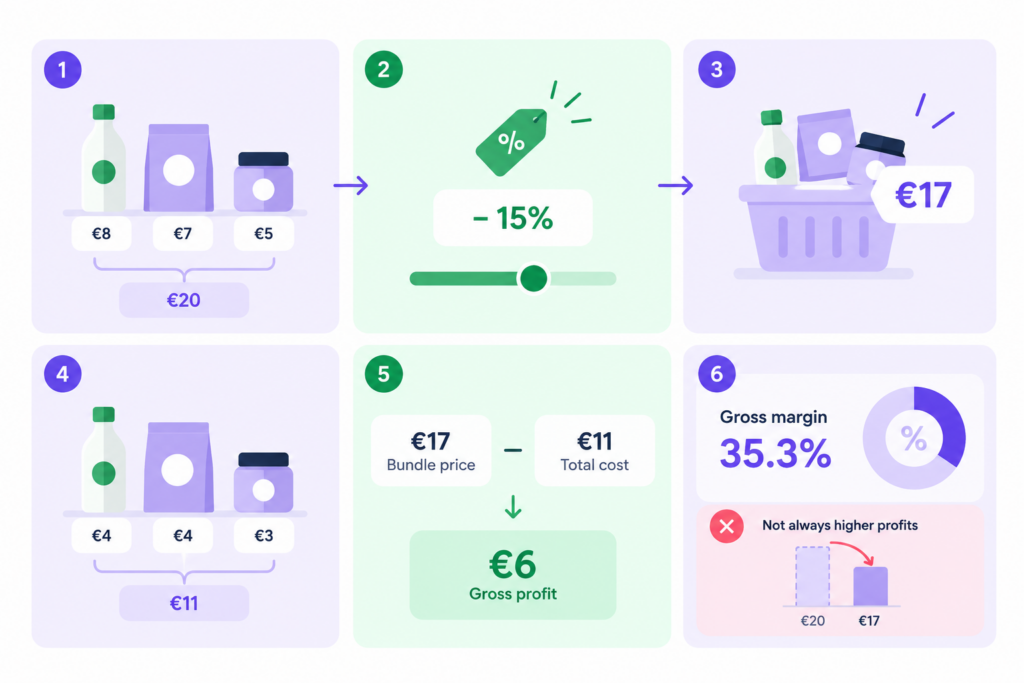
Calculating bundle prices starts with the sum of individual retail prices, followed by a proposed discount and a check against costs. Advanced pricing analytics software can support the evaluation of different pricing scenarios, helping retailers understand potential effects on margins and commercial performance.
The difference between the revenue from the sale of a bundle and the cost of the products yields the gross profit. The gross margin, in turn, is calculated by dividing this profit by the selling price of the bundle. In this context, the profit from a sale is further adjusted by subtracting relevant variable costs, such as incremental order fulfillment expenses or advertising costs. Decision-makers should always evaluate alternative price points and compare expected outcomes against what would have occurred in the absence of a promotional campaign.
Bundle Pricing Formula
Bundle price = Σ individual retail prices × (1 − bundle discount percentage).
Gross profit = bundle price − total cost of goods.
Gross margin (%) = gross profit ÷ bundle price × 100.
Step-by-Step Bundle Pricing Calculation
For a hypothetical supermarket meal bundle, the products have a combined shelf price of €20. A 15% discount reduces the package price to €17. If their combined cost is €11, the offer generates €6 in gross profit before other expenses.
| Pricing Component | Example |
| Total individual retail price | €20.00 |
| Bundle discount | 15% |
| Final bundle price | €17.00 |
| Total cost of goods | €11.00 |
| Bundle gross profit | €6.00 |
How to Evaluate Bundle Profitability
The example produces a gross margin of approximately 35.3%. That figure alone cannot demonstrate incremental profitability. Retailers can use promotion analytics to evaluate changes in purchasing behavior, promotional effectiveness, and profitability against an appropriate baseline.
How to Build a Bundle Pricing Strategy: Best Practices
A successful product-bundling pricing strategy must strike a balance between the relevance of the items, their value to the customer, and overall profitability. Retailers should analyze consumer behavior, consider competitive pricing, and select products that complement one another. Below, you will find five steps that will help you develop and refine your approach.
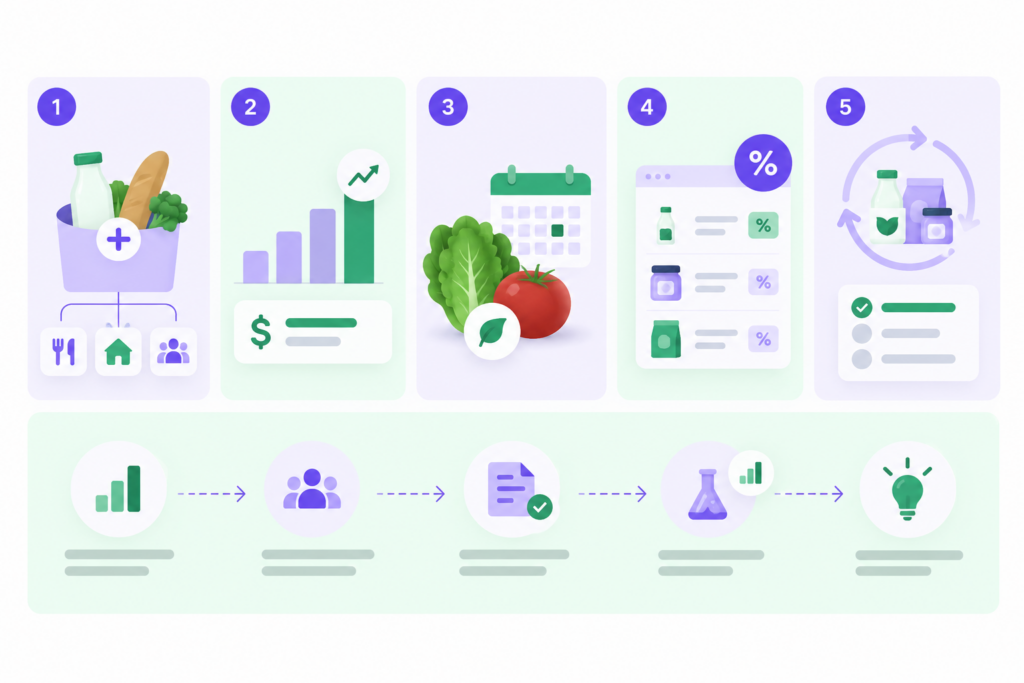
Step 1. Define Clear Business Objectives
Start by identifying what the bundle should achieve, whether increasing average basket value, improving inventory turnover, or encouraging product discovery. Establish measurable KPIs, such as incremental sales and contribution margin. Focus on offers that address genuine customer needs rather than simply combining available products.
Step 2. Analyze Customer Purchasing Behavior
Examine transaction data and market basket analysis to identify products frequently purchased together. Consider seasonal trends, shopping occasions, and previous campaign results. Using promotion analytics helps retailers evaluate promotional performance and identify opportunities for improvement. Additionally, retail demand forecasting can help anticipate demand fluctuations, reduce stock shortages, and plan more effective bundle promotions.
Step 3. Select the Right Products for Bundling
Prioritize complementary products that address specific customer needs, such as pasta and sauce or shampoo and conditioner. Evaluate product availability, profit margins, and shelf life, particularly when dealing with fresh or perishable goods. Solutions such as multibuy management can support the planning and management of promotional product combinations while helping retailers maintain control over their offers.
Step 4. Set and Test Profitable Bundle Prices
Determine a bundle price that offers noticeable savings without compromising category profitability. For example, products costing €20 separately might be offered together for €17. Retailers should evaluate potential sales cannibalization, test discount levels, and avoid overlapping promotions that unnecessarily reduce margins. Applying price optimization can support data-driven pricing decisions and help balance customer value with profitability objectives.
Step 5. Launch, Monitor, and Continuously Optimize
Introduce bundles with clear promotional messaging and consistent pricing across physical stores and online channels. Monitor basket value, incremental profit, customer response, and inventory movement to assess campaign effectiveness. Effective promotion management helps retailers coordinate promotional activities and refine bundle offers based on performance, customer demand, and changing market conditions.
Common Bundle Pricing Mistakes and Challenges
Even a well-planned bundle pricing strategy can underperform when retailers overlook customer behavior, pricing accuracy, or operational requirements. Avoiding common mistakes helps grocery and FMCG businesses create more effective promotions while protecting profitability.
1. Setting Discounts Without Analyzing Profitability
One common mistake is offering large discounts without calculating their impact on overall margins. Retailers may increase bundle sales while reducing profits from products customers would have purchased at full price.
How to avoid it: Evaluate product costs, expected incremental sales, and contribution margins before launching a bundle. A structured price management approach helps retailers maintain consistent pricing decisions and establish profitable discount boundaries.
2. Choosing Products That Do Not Complement Each Other
Combining unrelated products simply to clear inventory can make bundles less attractive to shoppers. Customers are more likely to respond to offers that address a recognizable need or shopping occasion.
How to avoid it: Analyze purchasing patterns and select products that naturally belong together. For example, combining pasta, sauce, and cheese creates a more relevant offer than pairing unrelated household items.
3. Ignoring Competitor Pricing and Market Conditions
Retailers sometimes introduce bundle offers without considering competing promotions or customer price expectations. This can result in discounts that are either uncompetitive or unnecessarily generous.
How to avoid it: Regularly monitor market prices and compare promotional offers across competitors. Understanding available Prisync competitors and alternative pricing tools can help retailers evaluate different approaches to competitive price monitoring.
4. Overlooking Inventory and Operational Challenges
Launching bundles without checking stock availability or coordinating promotional rules can create problems at checkout and across sales channels. If one product becomes unavailable, the entire offer may lose its value.
How to avoid it: Coordinate inventory planning, promotional calendars, and checkout systems before launching campaigns. Automated pricing optimization can support more consistent pricing workflows, while regular stock monitoring helps prevent disruptions.
5. Failing to Measure Bundle Performance
Some retailers evaluate bundle success based solely on sales volume, overlooking whether promotions generate genuinely additional purchases. Without proper measurement, ineffective campaigns may continue unnecessarily.
How to avoid it: Track incremental revenue, basket value, contribution margins, and customer response. Compare results against baseline performance and adjust product combinations or discount levels when necessary.
How to Measure Bundle Pricing Performance
Bundle performance should be assessed against what customers would likely have purchased without the offer. Retailers can combine historical performance data with predictive pricing analytics to evaluate potential demand responses and improve future promotional decisions.
Five Essential Bundle Pricing KPIs
- Average Order Value (AOV): Track average transaction value before and during the promotion. An increase may indicate larger baskets, but changes in shopper mix or seasonality should be considered. Compare similar stores or customer groups where possible.
- Gross and Contribution Margin: Calculate revenue remaining after product costs and relevant variable expenses. Monitor both the bundle and surrounding categories. A higher sales figure is not beneficial when contribution profit declines.
- Bundle Conversion and Attach Rate: Measure how often eligible shoppers select the bundle and how often an additional product accompanies a core item. These measures indicate appeal and cross-selling behavior. They do not independently establish incremental profit.
- Incremental Revenue and Profit: Estimate the additional sales and contribution generated relative to a realistic no-promotion scenario. Account for cannibalized standalone purchases and shifted future demand. This is the central test of commercial success.
- Inventory Sell-Through: Measure how quickly promoted stock moves and whether availability improves or deteriorates. Include spoilage and stockouts when relevant. Faster movement is valuable only when it supports profitable operations.
Conclusion
Bundle pricing can improve perceived value, encourage larger baskets, and support retail growth when products and prices are chosen carefully. The strongest offers make sense to customers and serve a clear shopping purpose rather than relying on discounts alone.
Successful execution requires more than attractive headline savings. Retailers should evaluate demand, price elasticity, product interactions, and incremental profitability. A comprehensive competitive pricing analysis can provide further context for setting attractive offers without sacrificing unnecessary margin.
Product bundling is also part of a broader retail pricing strategy. Retailers seeking a more systematic approach can learn how Yieldigo’s price and promotion optimization solutions help them make informed commercial decisions, grounded in data and actual performance metrics, within the food and fast-moving consumer goods (FMCG) categories.
Frequently Asked Questions
How to do bundle pricing?
Identify complementary products, calculate their combined regular price and costs, then test a bundle discount that customers value. Evaluate incremental demand and contribution margin before expanding the offer.
What is the difference between a pure bundle and a mixed bundle?
Pure bundling makes components available only together. Mixed bundling allows customers to purchase each item separately or choose the combined offer, providing greater flexibility in grocery retail.
How can a business determine the right discount for a product bundle?
Model several discounts using costs, expected customer response, and contribution margins. Test the options against a baseline and select the price that best supports incremental profit and customer value.
What are the advantages of bundle pricing?
Advantages can include larger baskets, greater convenience, product discovery, improved inventory movement, and stronger value perception. Results depend on product relevance and financially sustainable pricing.
What are the types of bundle pricing?
Common approaches include pure bundling, mixed bundling, cross-sell bundling, volume-based multi-buy offers, and seasonal promotional bundles. Each serves different shopping occasions and retail objectives.
What is a characteristic of bundle pricing?
The main characteristic of bundle pricing is combining two or more products into a single offer, typically at a lower total price than purchasing them separately. Effective bundles feature complementary products, clear customer savings, and a convenient purchasing experience. For retailers, successful bundle pricing also requires strategic discounting and careful margin management to ensure that increased sales contribute to profitability.
How do I decide which products to bundle?
To select the right products for a bundle, retailers should analyze customer purchasing behavior, product affinity, demand patterns, and profit margins. Products frequently purchased together, such as pasta and sauce or coffee and biscuits, are natural candidates. Market basket analysis can help identify relevant combinations, while pricing and inventory data ensure that the proposed bundle is financially viable and operationally practical.
Why is a bundle pricing strategy good for your revenue?
A bundle pricing strategy can increase revenue by encouraging customers to purchase additional products and increasing average order value. It also creates opportunities for cross-selling, product discovery, and improved inventory turnover. However, higher revenue does not automatically mean higher profitability. Retailers should evaluate incremental sales, contribution margins, and potential cannibalization to ensure that bundle promotions generate sustainable financial growth.
How does bundle pricing affect competitors?
Bundle pricing can strengthen a retailer’s competitive position by offering customers greater convenience and perceived value compared with individual product purchases. Attractive product combinations may help differentiate a retailer, encourage customer loyalty, and influence purchasing decisions. However, aggressive bundle discounts can also intensify price competition. Retailers should focus on relevant offers and sustainable margins rather than competing exclusively through lower prices.
What are some examples of bundle pricing?
Common bundle pricing examples include supermarket meal deals combining pasta, sauce, and cheese; skincare sets containing cleansers and moisturizers; and electronics packages featuring devices with accessories. Grocery retailers may also offer breakfast bundles with cereal, milk, and fruit. These combinations simplify shopping, encourage complementary purchases, and can increase basket value when priced appropriately.
What are the disadvantages of using bundle pricing?
The main disadvantages of bundle pricing include reduced profit margins, sales cannibalization, inventory challenges, and the risk of combining products that customers do not need. Excessive discounts may increase sales volume without generating additional profit, while poorly selected bundles can weaken customer interest. Retailers should carefully analyze demand, product costs, and promotional performance to minimize these risks.
When Should Retailers Avoid Bundling?
Retailers should avoid bundling when products already sell well at full price, profit margins cannot support meaningful discounts, or combinations offer little value to customers. Bundling may also be unsuitable when inventory shortages, operational complexity, or promotional costs outweigh the expected additional revenue.