
Thousands of grocery and FMCG products compete for basket space every day, with promotions running every week. In retail, pricing is one of the most effective levers you can pull to protect your margins. It’s also one of the easiest to get wrong.
According to Simon-Kucher’s 2025 Global Pricing Study, 72% of companies already use AI in pricing, mainly to reduce human error. But tools differ widely, so below we compare the 12 best price optimization software vendors for retail, from mid-market chains to enterprises.
TL;DR: What Is the Best Price Optimization Software for Retailers in 2026?
- Yieldigo: Best for grocery and FMCG chains that want price, promo and markdown optimization in one system.
- Competera: Best for enterprise retailers with large multichannel assortments.
- Revionics by Aptos: Best for enterprises optimizing the full price lifecycle with an established vendor.
- RELEX Solutions: Best for grocery chains that want pricing tied to replenishment.
- Quicklizard: Best for omnichannel retailers that want AI pricing with rule control.
- 7Learnings: Best for large online retailers with €20M+ in revenue.
- Omnia Retail: Best for online retailers pricing against marketplaces and Google Shopping.
- Pricefx: Best for enterprises managing retail and B2B prices in one suite.
- Pricen: Best for mid-market retailers pricing across stores and online.
- Zilliant: Best for retailers with a wholesale or B2B arm.
- BlackCurve: Best for small online stores that want a free plan.
- Price2Spy: Best for retailers that mainly need competitor price monitoring.
What Is Price Optimization Software?
Price optimization software refers to solutions that predict how shoppers will react to a price change and recommend the price that best meets your retail goals, whether that’s margin, revenue, volume or price image. It works at a product, store cluster and channel level.
The software learns from your sales history and weighs costs, competitor prices, promotions and seasonality to make its recommendation. Unlike price optimization and management software, it doesn’t execute the price changes. Here’s how it differs from other tools:
- Price optimization software: Forecasts demand at different price points and recommends the best one within the rules you set.
- Pricing intelligence software: Shows what competitors charge, but not what happens to your sales if you match them.
- Dynamic pricing software and repricers: Change prices automatically, often in real time, based on rules you write, such as “stay 2% below [Competitor].”
- Price management software: Governs and executes price changes across stores and channels.
Most modern retail price optimization software falls into what Gartner calls “unified price, promotion and markdown optimization,” or UPPMO. This is important, because in grocery and FMCG, prices affect each other and a cheaper brand can pull sales from your private label, while a higher price can send shoppers to a competitor.
How We Evaluated Price Optimization Software (Full Methodology)
We built our retail price optimization software comparison from a longlist of pricing tools sourced from multiple review-site categories, analyst coverage and existing comparisons. We filtered out the solutions that only monitored prices and picked the 12 best that fit mid-market and enterprise retailers.
Each vendor was assessed on optimization depth, retail fit, lifecycle coverage, user control, integrations, scalability, user ratings and vendor documentation. We didn’t run hands-on tests, so treat this list as guidance for your own demos and selection process.
One monitoring tool and two B2B-leaning platforms made our list as they’re commonly mentioned solutions, and we felt they should be addressed. For transparency’s sake, Yieldigo is also featured at the top of the list. To keep the comparison fair, every tool, including ours, gets its pros and cons listed truthfully.
What Are the 12 Best Retail Price Optimization Software for 2026?
In the section below, you’ll find our price optimization software list comparison, starting with a short overview table, before moving on to individual descriptions of every solution. Here’s how the 12 tools compare at a glance:
| Tool | Best for | Pricing | Integrations | Trial/demo | G2 rating |
| 1. Yieldigo | Grocery and FMCG chains | Quote-based | File-based imports, API | Demo | 4.6 (28) |
| 2. Competera | Enterprise multichannel retail | Quote-based | SAP, Adobe Commerce, API | Demo | 4.9 (14) |
| 3. Revionics | Enterprise lifecycle pricing | Quote-based | Aptos suite, Google Cloud | Demo | 4.5 (1) |
| 4. RELEX | Grocery and fresh food | Quote-based | Packaged SAP connector | Demo | 4.6 (40) |
| 5. Quicklizard | Omnichannel retail with rule control | Quote-based | Shopify, SAP S/4HANA, Snowflake | Demo | 4.7 (33) |
| 6. 7Learnings | Large online assortments | Quote-based | Shopify, commercetools, Snowflake | Demo | 4.4 (25) |
| 7. Omnia Retail | Marketplace and Google Shopping pricing | From €399/month | Google Shopping, Amazon, GA360 | Demo | 4.4 (100) |
| 8. Pricefx | Retail plus B2B in one suite | Quote-based | SAP, Salesforce | Demo | 4.4 (145) |
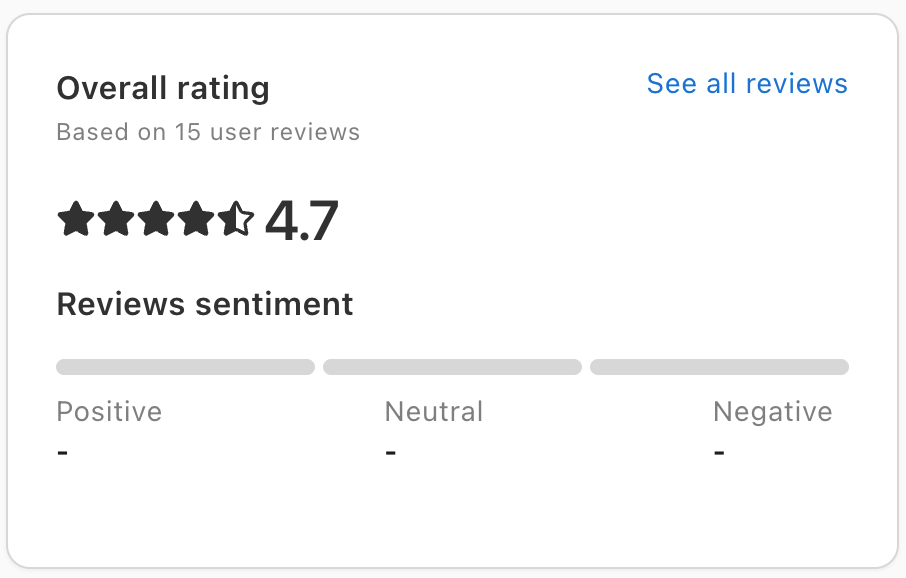
| 9. Pricen | Mid-market stores and online | Quote-based | Shopify, Adobe Commerce, SAP Analytics Cloud | Demo | Capterra 4.7 (15) |
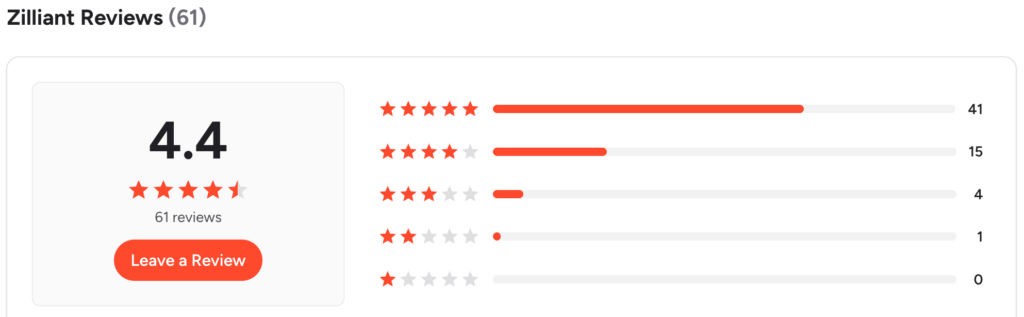
| 10. Zilliant | Wholesale or B2B arm | Quote-based | SAP, Oracle, Salesforce | Demo | 4.4 (61) |
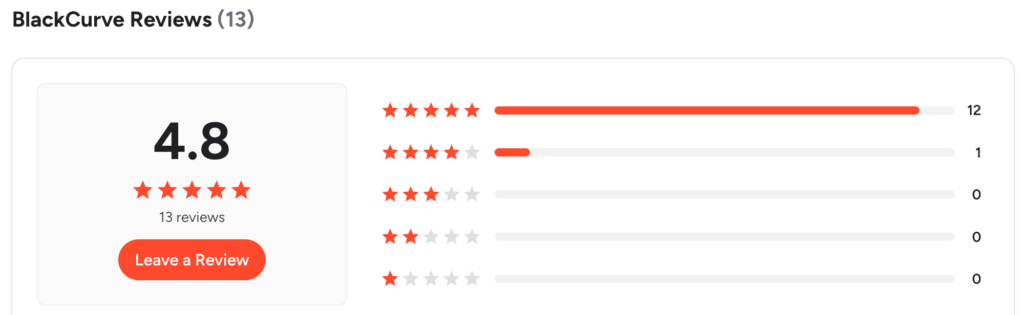
| 11. BlackCurve | Small online shops | Free plan; from £99/month | Shopify, WooCommerce, Adobe Commerce | Free plan | 4.8 (13) |
| 12. Price2Spy | Competitor price monitoring | From $157.95/month | Shopify, WooCommerce, BigCommerce | Free trial | 4.8 (105) |
Yieldigo: Best for FMCG Retailers Looking for Unified Price, Promo and Markdown Optimization
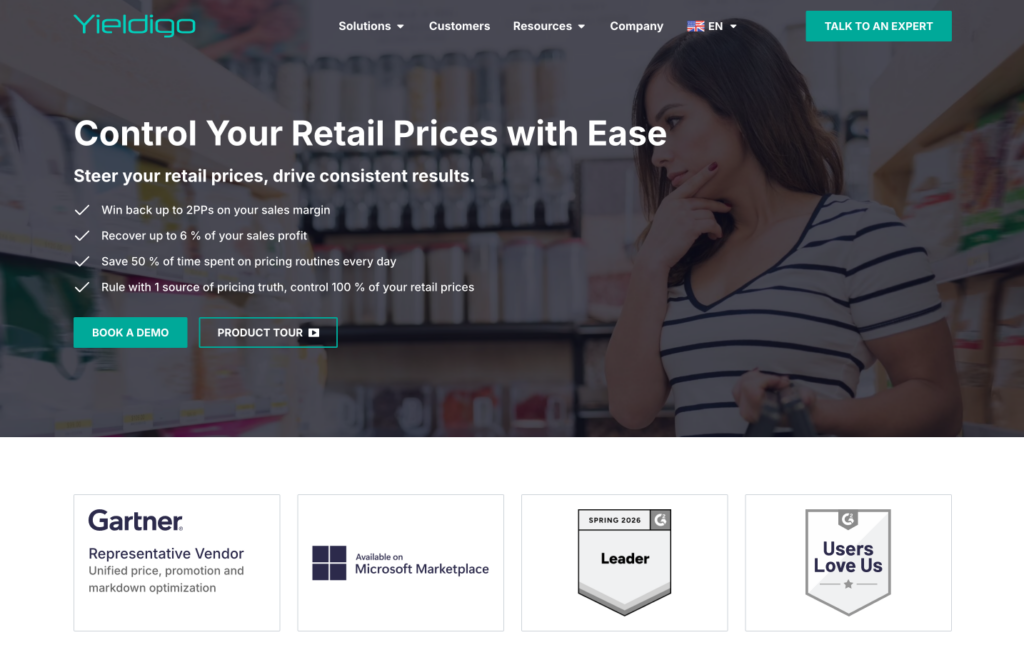
Yieldigo is an AI price management and optimization platform for retail chains, founded in Prague in 2014. The majority of our customer base consists of supermarkets, drugstores and pharmacies, but we now also serve fashion and sporting goods retailers.
What Is Yieldigo Best For?
Yieldigo is best for grocery and FMCG chains that want to have control over price, promotion and markdown decisions in one transparent system.
What Are Yieldigo’s Key Features?
- Rules cockpit: Manages pricing rules, product families and price zones.
- AI price recommendations: Suggests demand-based prices and simulates their effect before launch.
- Promotion planning: Plans promotions and multibuy offers based on past results.
- Markdown optimization: Recommends clearance discounts in line with your markdown pricing strategy.
What Are Yieldigo’s Key Integrations?
Yieldigo offers users a private API for securely integrating with ERP, POS and data storage systems over SFTP.
What Is Yieldigo’s Pricing?
Yieldigo offers each retailer a custom quote based on their unique requirements. As a result, we don’t have standardized pricing plans to view. For more information, talk to our experts.
What Are Yieldigo’s Pros and Cons?
| Pros | Cons |
| Price, promotion and markdown optimization in one system | Data management issues, per some reviewers |
| Easy to use, per reviewers | Limited customization of reference prices |
| Built for grocery, drugstore and pharmacy assortments | No public pricing |
When Should Retailers Use Yieldigo?
Choose Yieldigo if you run a grocery, drugstore or pharmacy chain with a large assortment and want one transparent system for regular prices, promotions and markdowns. Reviewers say it handles large datasets and makes quick price changes easy.
When Should Retailers Not Use Yieldigo?
Skip Yieldigo if you mainly sell online and require marketplace repricing, or a long list of ready-made connectors before signing.
Why We Picked Yieldigo
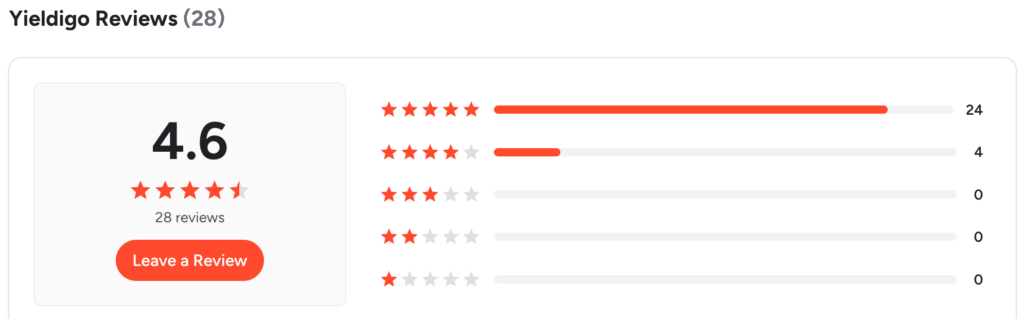
Yieldigo has a 4.6/5 average rating on G2 with 28 reviews. Ease of use, customer support and pricing optimization features are what reviewers praise most.
Competera: Best for Enterprise Retailers With Large Multichannel Assortments
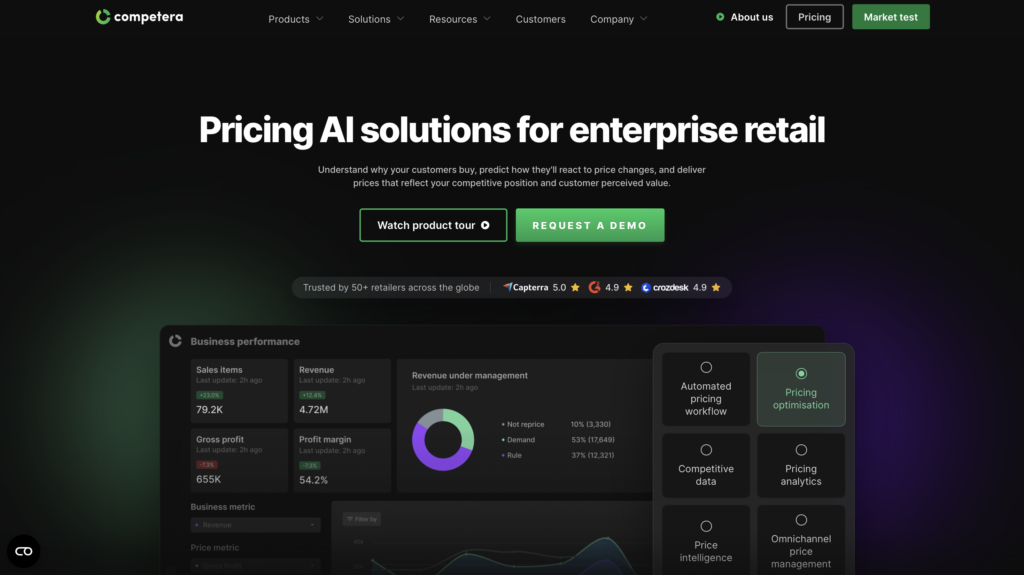
Competera is an AI pricing platform for retailers, founded in 2017. It forecasts demand from 20+ drivers, including competitor prices, and recommends regular, promo and markdown prices.
What Is Competera Best For?
Competera is best suited for enterprise retailers with large assortments sold across several channels that want AI to set prices at the stock keeping unit (SKU) level.
What Are Competera’s Key Features?
- Contextual AI: Forecasts demand from 20+ drivers, including competitor prices.
- Real-time and batch repricing: Updates prices as often as each channel needs.
- Price explanations: Shows why each SKU got its price.
- Promo and markdown pricing: Covers discounts and clearance too.
What Are Competera’s Key Integrations?
- Adobe Commerce
- SAP BW/4HANA and SAP Analytics Cloud
- Open API
What Is Competera’s Pricing?
Competera offers quote-based pricing depending on how many SKUs you manage, the scale of deployment and required system configuration. There is no public pricing available. For more information, contact Competera for a demo and quote.
What Are Competera’s Pros and Cons?
| Pros | Cons |
| Demand model uses 20+ drivers | Implementation can be complex |
| SKU-level explanations for each price | Not the cheapest option, per reviewers |
| Covers regular, promo and markdown pricing | Takes time for teams to get used to |
When Should Retailers Use Competera?
Choose Competera if you run a large, multichannel assortment and have a pricing team ready to work with an AI model every day. It suits retailers that want explainable SKU-level prices across channels.
When Should Retailers Not Use Competera?
Skip Competera if you need a quick, low-cost setup or have a very small pricing team. Reviewers say implementation takes effort and the platform takes time to learn.
Why We Picked Competera
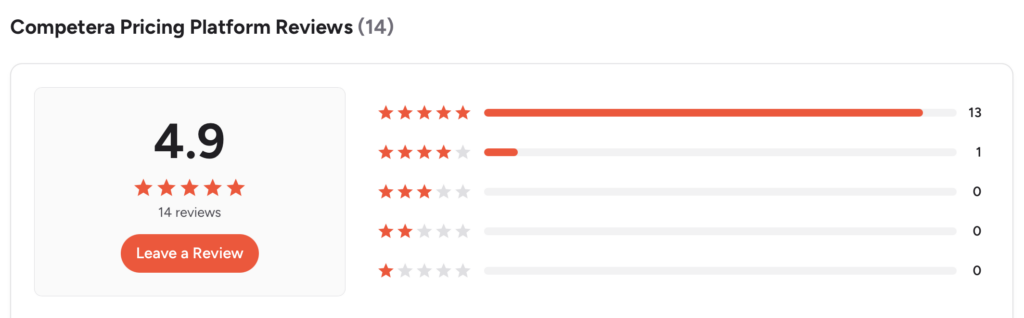
Competera has a 4.9/5 average rating on G2 from 14 reviews and 4.8/5 on Capterra from 58. Users specifically praise its real-time notifications, pricing optimization and easy-to-use integrations. The main complaints are about implementation effort. See our list of the best Competera alternatives if that’s a concern.
Revionics by Aptos: Best for Enterprise Retailers Optimizing Base Prices, Promotions and Markdowns at Scale
Revionics is AI retail pricing software that has been part of Aptos since late 2020. It offers separate suites for base prices, promotions and markdowns, used by retailers such as Tractor Supply.
What Is Revionics Best For?
Revionics is best suited for enterprise retailers that want to optimize base prices, promotions and markdowns, and are looking for a long-established vendor to work with.
What Are Revionics’ Key Features?
- Base Price: Recommends everyday prices from AI demand models.
- Promotions and Markdown: Plans offers and markdown cadence with the same models.
- Scenarios: Compares pricing options before you commit.
- Approval workflows: Routes price changes for sign-off.
What Are Revionics’ Key Integrations?
- Aptos retail suite
- Google Cloud Marketplace
- Custom data feeds
What Is Revionics’ Pricing?
Revionics offers quote-based pricing tailored to your size and the suites you choose. There is no public pricing available.
What Are Revionics’ Pros and Cons?
| Pros | Cons |
| Covers base price, promo and markdown | Very few public user reviews |
| Long track record with large retailers | Results depend on ongoing access to Revionics experts, per one reviewer |
| Part of the wider Aptos retail suite | No public list of integrations |
When Should Retailers Use Revionics?
Use Revionics if you’re a large retailer that wants to optimize across the entire price lifecycle, especially if you’re already invested in the Aptos ecosystem.
When Should Retailers Not Use Revionics?
Avoid Revionics if you’re a mid-market chain looking for a light setup. With so few public reviews available, you may also need to have a reference call with its existing customers to see how well the platform performs.
Why We Picked Revionics
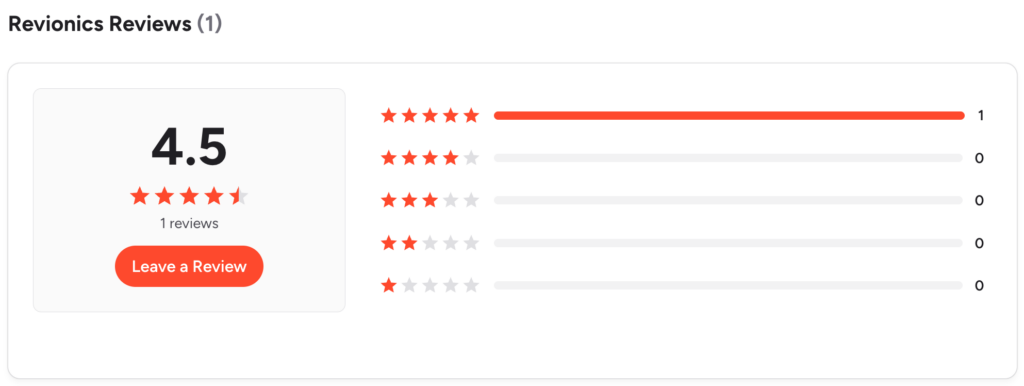
Revionics has a long track record in retail price optimization, but only 1 review on G2 (4.5/5). On Gartner Peer Insights, its Price Suite holds 4.5/5 from 11 reviews, and users praise its maturity, analytics and coherent interface.
RELEX Solutions: Best for Grocery Chains That Want Pricing Tied to Forecasting and Replenishment
RELEX is a retail and supply chain planning platform from Helsinki that added price optimization in late 2023. Its prices draw on the same demand forecasts as its promotion, replenishment and space planning tools.
What Is RELEX Best For?
RELEX is best for grocery and fresh-food chains that want pricing, promotions and markdowns tied to forecasting and replenishment.
What Are RELEX’s Key Features?
- Price optimization: Combines pricing rules with AI forecasting and elasticity.
- Scenario testing: Shows the effect on sales, margin and competitive position.
- Promotion planning: Forecasts promo impact and manages supplier deals.
- Markdown optimization: Recommends staged markdowns for perishable overstock.
What Are RELEX’s Key Integrations?
- Packaged SAP-to-RELEX integration
- Pre-built connectors refined across 700+ implementations
- Native link to RELEX forecasting and replenishment
What Is RELEX’s Pricing?
RELEX doesn’t publish prices. It quotes each deal based on the modules you choose, your store count and your data volume.
What Are RELEX’s Pros and Cons?
| Pros | Cons |
| Pricing uses the same forecasts as replenishment | Price optimization is newer than its supply chain tools |
| Strong fit for fresh and perishable goods | Most G2 reviews cover supply chain, not pricing |
| Packaged SAP integration | Not built for small retailers |
When Should Retailers Use RELEX?
Choose RELEX if you’re a grocery or fresh-food chain fighting waste and stockouts. Its markdown module helped Danish online grocer nemlig.com raise markdown margins by 24% and cut food waste by 45%, according to a RELEX case study.
When Should Retailers Not Use RELEX?
If you only need price optimization, a full planning suite may be more than you need. It’s also not aimed at small retailers.
Why We Picked RELEX
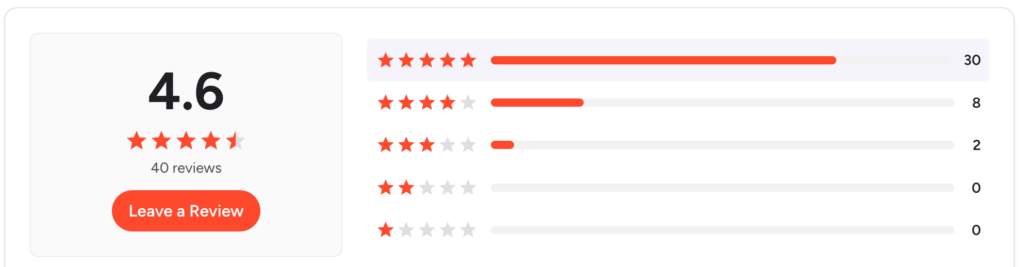
RELEX has a 4.6/5 average rating on G2 from 40 reviews, though most cover supply chain planning rather than pricing. We picked it because few platforms link pricing to forecasting and replenishment this closely, which matters most in grocery.
Quicklizard: Best for Omnichannel Retailers That Want AI Pricing With Rule-Level Control
Quicklizard is an AI pricing platform for retailers and brands, serving customers since 2018. It combines AI recommendations with your business rules, so your team stays in control of prices across stores, channels and countries.
What Is Quicklizard Best For?
Quicklizard is best for omnichannel retailers that want AI pricing they can steer with their own rules.
What Are Quicklizard’s Key Features?
- AI plus rules: Blends AI recommendations with your business rules.
- Competitor tracking: Matches competitor products by EAN code.
- Localized pricing: Sets prices per store, channel and country.
- Promotions and compliance: Supports promotions and EU Omnibus rules.
What Are Quicklizard’s Key Integrations?
- Shopify and Shopify Plus
- SAP S/4HANA Cloud
- Snowflake
What Is Quicklizard’s Pricing?
Quicklizard uses usage-based pricing and quotes each customer individually. There is no public pricing available.
What Are Quicklizard’s Pros and Cons?
| Pros | Cons |
| Glass-box AI with human oversight | Takes time to learn, per reviewers |
| Highly rated customer support | Optimization runs can be slow |
| Popular with enterprise retailers | Elasticity modeling only on the Enterprise plan |
When Should Retailers Use Quicklizard?
Use Quicklizard if you sell in stores and online and want AI recommendations without losing control of your pricing rules.
When Should Retailers Not Use Quicklizard?
Avoid Quicklizard if you need deep markdown planning or elasticity modeling on a smaller plan.
Why We Picked Quicklizard
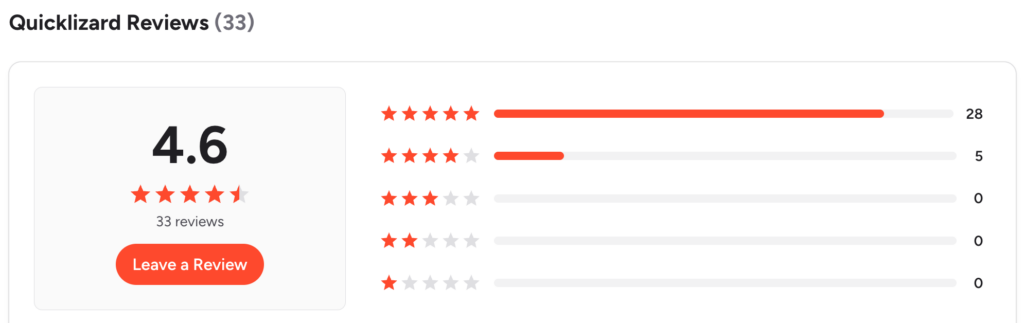
Quicklizard holds a 4.7/5 rating on G2 from 33 reviews and 4.8/5 on GetApp from 28 reviews, primarily from enterprises. Customer support, speed and price optimization are its most highlighted features.
7Learnings: Best for Online Retailers With Large E-Commerce Assortments
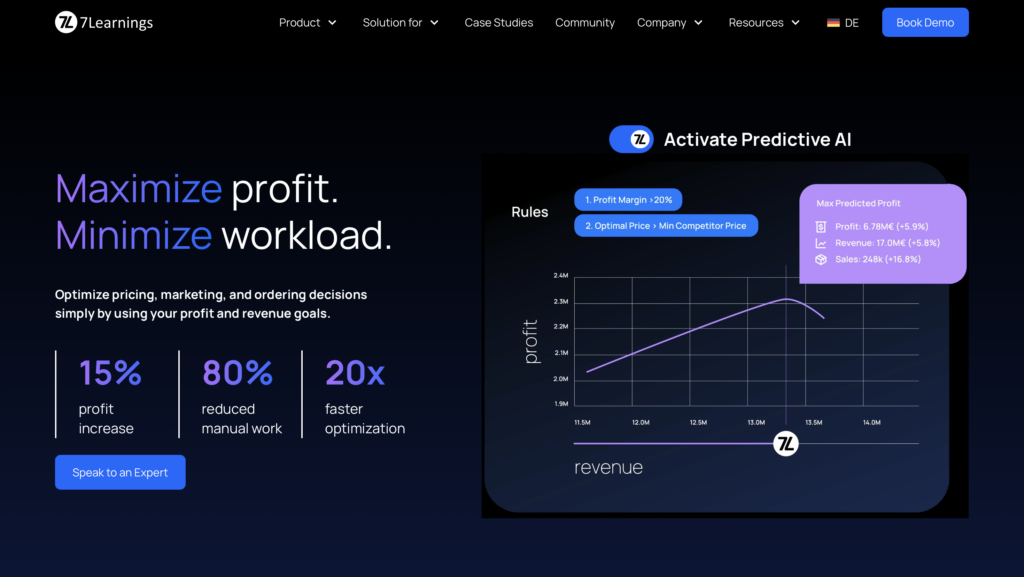
7Learnings is a predictive pricing platform out of Berlin. It uses machine learning to forecast demand at different price points and picks the price that best balances margin, revenue and stock turnover.
What Is 7Learnings Best For?
According to 7Learnings itself, the platform is best for e-commerce and omnichannel retailers with €20M+ in revenue and 5,000+ SKUs.
What Are 7Learnings’ Key Features?
- Demand forecasting: Predicts sales at each price point.
- Multi-goal optimization: Balances margin, revenue and stock turnover.
- Discount optimization: Sets discounts and coupons from predicted demand.
- Channel and regional pricing: Prices by channel and region.
What Are 7Learnings’ Key Integrations?
- Shopify
- commercetools
- Snowflake
What Is 7Learnings’ Pricing?
7Learnings offers individual quote-based pricing with no public pricing available.
What Are 7Learnings’ Pros and Cons?
| Pros | Cons |
| Forecasts demand at each price point | Data management issues, per reviewers |
| Users report results that beat their own A/B tests | Optimization runs can take hours across many channels |
| Free Shopify connector | Built for larger online retailers, not small shops |
When Should Retailers Use 7Learnings?
Go with 7Learnings if most of your revenue comes from online and you have a large assortment of products with sufficient sales data for machine learning.
When Should Retailers Not Use 7Learnings?
Avoid 7Learnings if you’re a store-led grocery chain or a shop below its recommended €20M revenue target.
Why We Picked 7Learnings
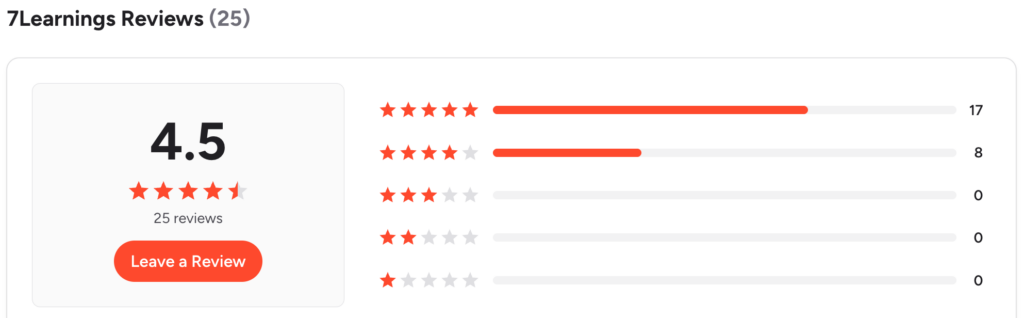
7Learnings has a 4.4/5 average rating on G2 from 25 reviews and 4.6/5 on Capterra from 7. Reviewers praise its ease of use, and some say its results beat their internal A/B tests.
Omnia Retail: Best for Online Retailers Pricing Against Marketplaces and Google Shopping
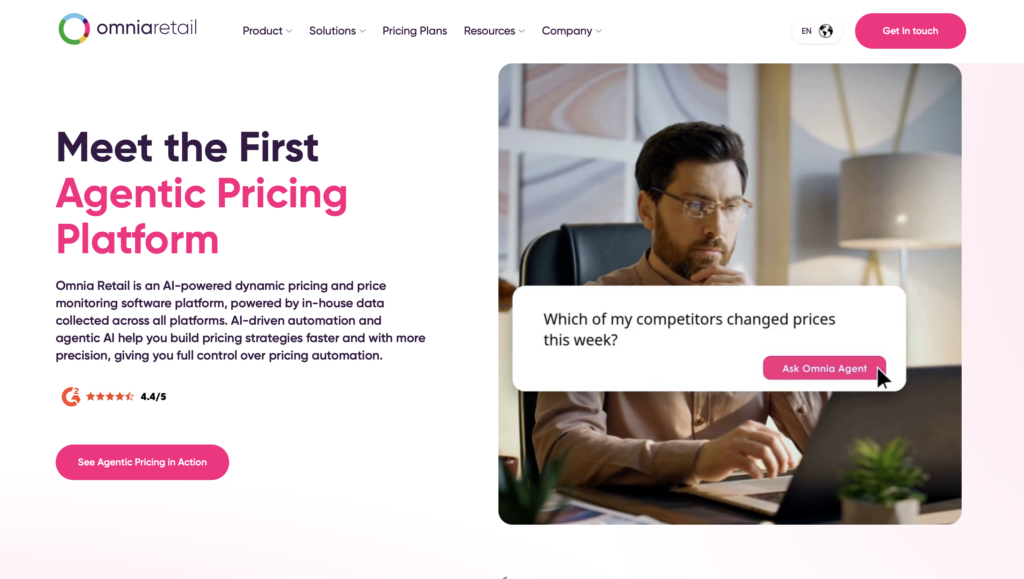
Omnia Retail is a dynamic pricing and price monitoring platform from Amsterdam, used by retailers such as Decathlon and Coolblue. It tracks competitor and marketplace prices and adjusts yours through rule-based strategies with AI support.
What Is Omnia Retail Best For?
Omnia Retail is best used by online and omnichannel retailers that price against marketplaces and Google Shopping.
What Are Omnia Retail’s Key Features?
- Marketplace monitoring: Tracks prices on Google Shopping, Amazon and other marketplaces.
- Strategy trees: Builds pricing rules as a decision tree.
- AI dynamic pricing: Adjusts prices automatically within your strategy.
- Omnia Agent: Answers questions about your pricing data in a chat.
What Are Omnia Retail’s Key Integrations?
- Google Shopping
- Amazon, eBay and Bol.com
- Google Analytics 360
What Is Omnia Retail’s Pricing?
Omnia’s SMB plan starts at €399 per month for a single shop and up to 5 users. Enterprise plans are quote-based.
What Are Omnia Retail’s Pros and Cons?
| Pros | Cons |
| Public starting price | Rule-based rather than demand-based optimization |
| Strong marketplace and Google Shopping data | Missing features, per some reviewers |
| Fast reaction to market changes | Limited customization |
When Should Retailers Use Omnia Retail?
Use Omnia if you’re a retailer with your main competition online, where you need to react quickly to changing marketplace prices.
When Should Retailers Not Use Omnia Retail?
Consider a different provider than Omnia Retail if you’re a store-led grocery chain that needs elasticity-based price, promo and markdown optimization.
Why We Picked Omnia Retail
Omnia Retail has a 4.4/5 average rating on G2 from 100 reviews, praising its market analysis and pricing optimization. It’s closer to dynamic pricing than to demand-based optimization, which is why it ranks lower here.
Pricefx: Best for Enterprises Managing Retail and B2B Prices in One Suite

Pricefx is a cloud platform for price management, price optimization and CPQ (configure, price, quote). Most of its users are manufacturers and distributors, but it also offers shelf price optimization for B2C.
What Is Pricefx Best For?
Pricefx is best for enterprises that sell through both retail and B2B channels and want one suite for price setting, optimization and quoting.
What Are Pricefx’s Key Features?
- Price setting and governance: Manages price lists and pricing policies.
- Shelf price optimization: Predicts how shoppers switch products after a price change.
- Promotions and rebates: Plans promotions and rebate programs.
- CPQ: Builds quotes from optimized prices.
What Are Pricefx’s Key Integrations?
- SAP ERP
- SAP S/4HANA
- Salesforce
What Is Pricefx’s Pricing?
Pricefx doesn’t have publicly available prices. The platform is modular, so you can expect per-module pricing for analytics, price optimization, CPQ, etc.
What Are Pricefx’s Pros and Cons?
| Pros | Cons |
| Flexible, scalable price optimization | Implementation can be complex |
| Easy integrations, per reviewers | Can slow down with large datasets |
| Modular, so you can start small | Built mainly for B2B pricing |
When Should Retailers Use Pricefx?
Use Pricefx if you run a retail business alongside wholesale or B2B sales and want one system for both.
When Should Retailers Not Use Pricefx?
Avoid Pricefx as a pure retailer. You’ll likely get more from a tool built for store pricing, promotions and markdowns. G2 users also report around 6 months to implement.
Why We Picked Pricefx
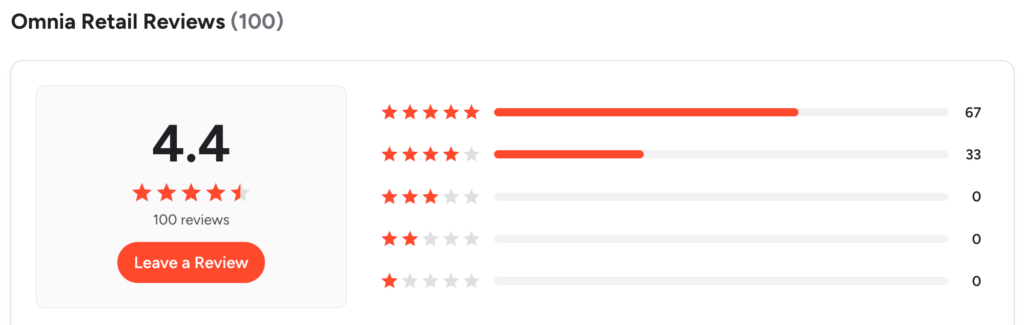
Pricefx has a 4.4/5 average rating on G2 from 145 reviews, with its flexible optimization being a particular review highlight. We included it because retailers with a B2B side often compare it with dedicated retail tools.
Pricen: Best for Mid-Market Retailers Pricing Across Stores and Online
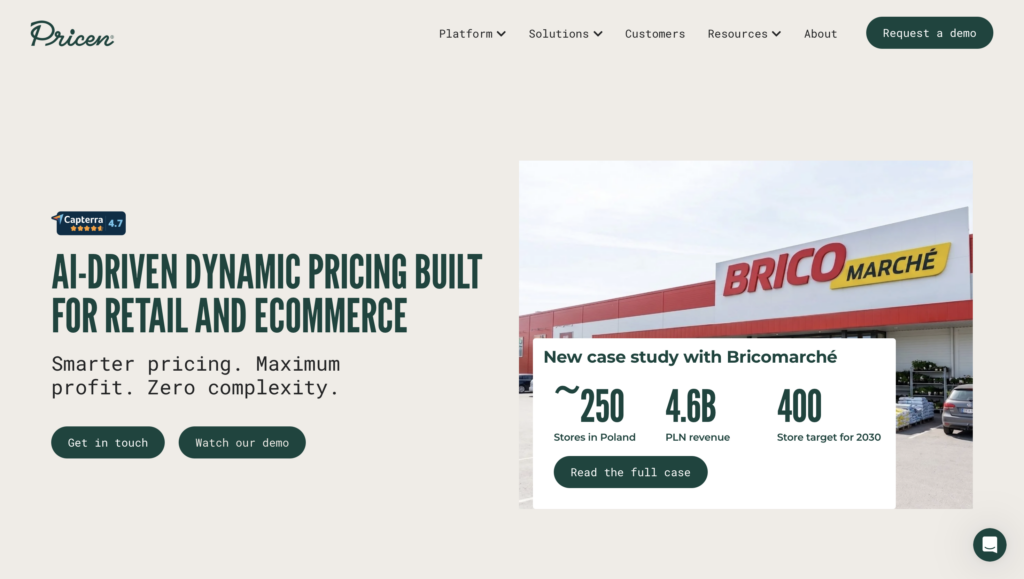
Pricen is an AI price optimization and dynamic pricing platform from Helsinki, founded in 2015. It serves retail and e-commerce, with Nordic customers such as Motonet and BHG Group.
What Is Pricen Best For?
Pricen is best for mid-market retailers that want AI base pricing, promotions and markdowns across stores and online.
What Are Pricen’s Key Features?
- Base price planning: Sets everyday prices with AI.
- Simulations: Shows the expected effect before a price change.
- Promotions and markdowns: Plans campaigns and clears slow-moving stock.
- Competitor monitoring: Tracks competitor prices next to your own data.
What Are Pricen’s Key Integrations?
- Shopify and Shopify Plus
- Adobe Commerce
- SAP Analytics Cloud
What Is Pricen’s Pricing?
Pricen uses usage-based pricing and quotes each customer individually.
What Are Pricen’s Pros and Cons?
| Pros | Cons |
| Covers base prices, promotions and markdowns | No G2 reviews yet |
| Easy API, per reviewers | Customer base is mostly Nordic |
| Highly rated customer support | No public pricing |
When Should Retailers Use Pricen?
Consider Pricen if you’re a mid-market chain that sells in stores and online and wants full lifecycle pricing without an enterprise suite.
When Should Retailers Not Use Pricen?
Avoid Pricen if you’re uncomfortable investing in a smaller, relatively unknown platform.
Why We Picked Pricen
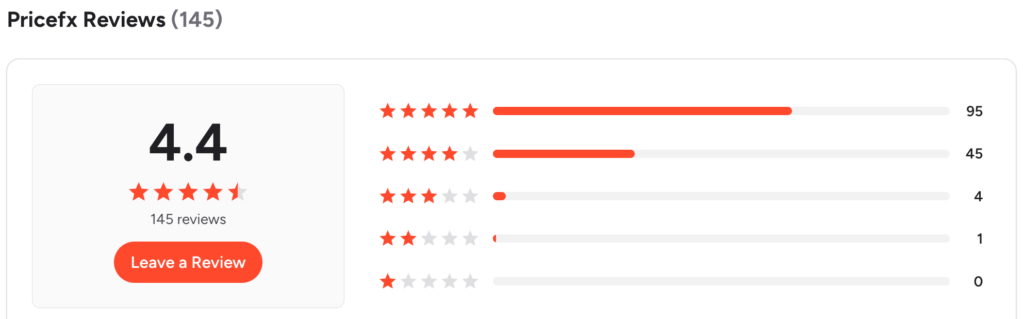
Pricen has no G2 reviews yet. On Capterra it holds 4.7/5 from 15 reviews under its former name. It scores particularly high as a lean, modern tool with an easy-to-use API.
Zilliant: Best for Retailers With a Wholesale or B2B Arm

Zilliant is an AI pricing platform from Austin, Texas. It’s built for B2B manufacturers and distributors. It covers price optimization, price management, deal management and CPQ.
What Is Zilliant Best For?
Zilliant is best for retailers with a wholesale or B2B arm that prices through quotes and contracts.
What Are Zilliant’s Key Features?
- Price IQ: Optimizes B2B prices with AI.
- Price Manager: Governs price lists and price changes.
- Deal Manager: Manages agreements and negotiated prices.
- CPQ: Builds quotes from optimized prices.
What Are Zilliant’s Key Integrations?
- SAP S/4HANA, SAP CPQ and SAP Commerce
- Oracle ERP and Oracle CPQ
- Salesforce CPQ and Salesforce Commerce
What Is Zilliant’s Pricing?
Zilliant doesn’t publish pricing.
What Are Zilliant’s Pros and Cons?
| Pros | Cons |
| Strong AI price optimization for B2B | Not built for store-level retail pricing |
| Native connectors to major ERP and CRM systems | Complex initial setup |
| Actionable insights for sales teams | About 7 months to implement, per G2 users |
When Should Retailers Use Zilliant?
Zilliant may be right for you if a large share of your revenue comes from wholesale, distributors or contract customers.
When Should Retailers Not Use Zilliant?
Skip Zilliant for consumer retail pricing. It doesn’t handle store clusters, promotions or markdowns the way retail tools do.
Why We Picked Zilliant
Zilliant has a 4.4/5 average rating on G2 from 61 reviews, where users praise its price optimization and support but note a complex setup. We included it for retailers whose B2B side needs its own pricing tool.
BlackCurve: Best for Small Online Retailers That Want a Free Plan
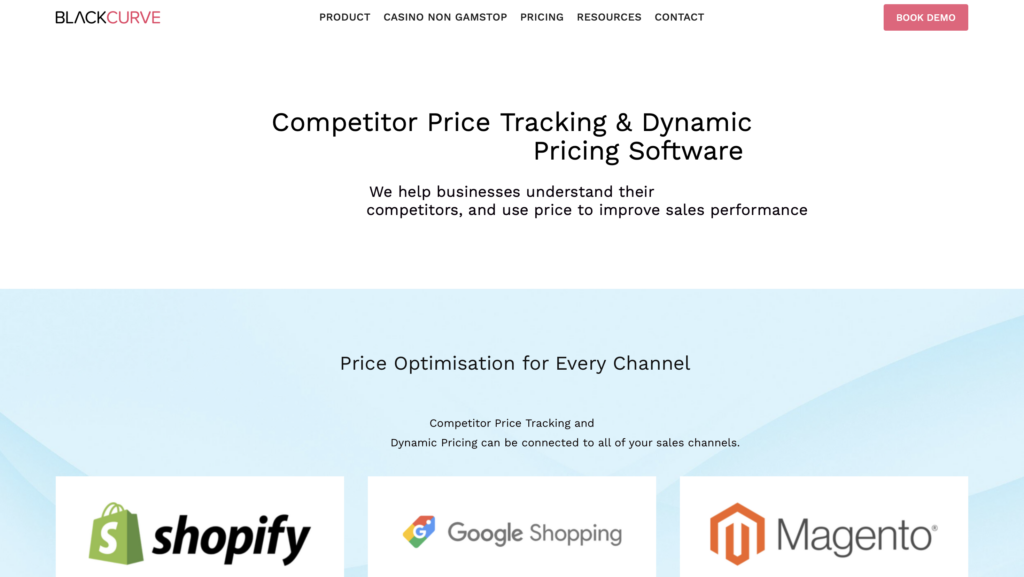
BlackCurve is a dynamic pricing and competitor monitoring tool for e-commerce, founded in the UK in 2016. It combines competitor data with elasticity-based pricing.
What Is BlackCurve Best For?
BlackCurve is best for small online retailers, offering a free plan to ease you into the platform.
What Are BlackCurve’s Key Features?
- Competitor monitoring: Tracks competitor prices across your products.
- Dynamic pricing engine: Updates prices from your rules and market data.
- Elasticity-based pricing: Suggests prices based on price elasticity.
- Google Shopping insights: Compares your prices on Google Shopping.
What Are BlackCurve’s Key Integrations?
- Shopify and WooCommerce
- Adobe Commerce (Magento)
- Google Merchant Center and API
What Is BlackCurve’s Pricing?
If you want price optimization software free to start, BlackCurve’s free plan covers 1 user, 1,000 SKUs and 1 channel. The Starter plan costs from £99 per month, and the Premium and Enterprise plans are quote-based.
What Are BlackCurve’s Pros and Cons?
| Pros | Cons |
| Free plan to start with | Few reviews overall |
| Quick setup | Built for online stores, not physical retail |
| Elasticity-based pricing on top of monitoring | Limited promotion and markdown planning |
When Should Retailers Use BlackCurve?
Choose BlackCurve if you run a small online store and want to test dynamic pricing before committing a budget.
When Should Retailers Not Use BlackCurve?
Skip it if you run physical stores or need promotion and markdown planning.
Why We Picked BlackCurve
BlackCurve holds a 4.8/5 rating on G2 from 13 reviews and 5.0/5 on Capterra from 3. Reviewers praise its quick setup and support, though the small number of reviews makes the score less reliable.
Price2Spy: Best for Retailers That Mainly Need Competitor Price Monitoring
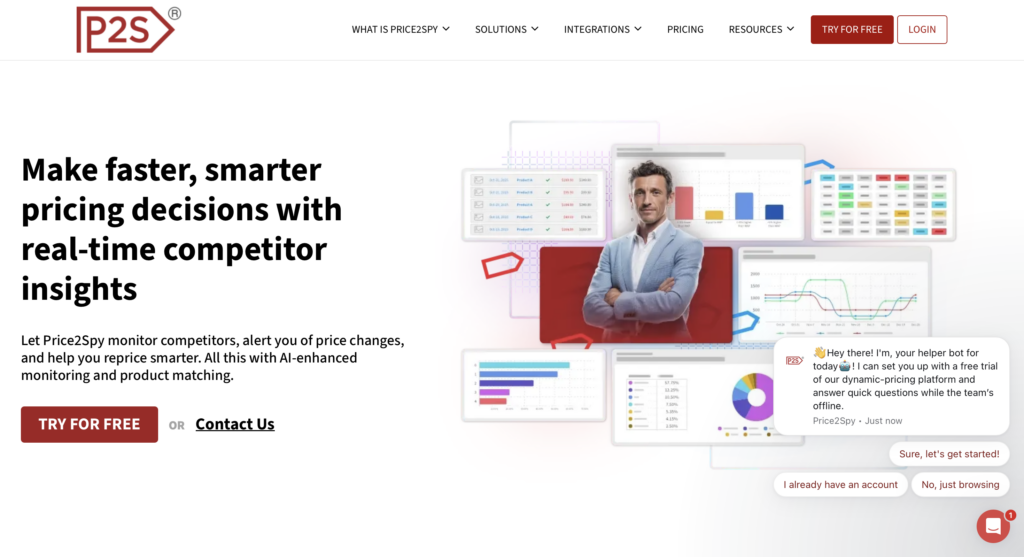
Price2Spy is a competitor price monitoring and repricing tool from WEBCentric that alerts you to price changes and reprices with rules you set. It doesn’t forecast demand, so it isn’t price optimization software in the usual sense.
What Is Price2Spy Best For?
Price2Spy is best for retailers that mainly need to track competitor prices and reprice with simple rules.
What Are Price2Spy’s Key Features?
- Competitor price tracking: Monitors competitor prices across websites.
- Price alerts: Flags competitor price changes.
- Rule-based repricing: Adjusts your prices with rules you set.
- Reporting: Summarizes your position against competitors.
What Are Price2Spy’s Key Integrations?
- Shopify
- WooCommerce
- BigCommerce
What Is Price2Spy’s Pricing?
Price2Spy’s Basic plan starts at $157.95 per month for 2,000 URLs, and offers a free trial.
What Are Price2Spy’s Pros and Cons?
| Pros | Cons |
| Easy setup | Doesn’t forecast demand |
| Highly rated support | Software bugs, per some reviewers |
| Public pricing and free trial | Some users find it expensive |
When Should Retailers Use Price2Spy?
Choose Price2Spy if you need reliable competitor data and simple repricing, or a data source to run alongside an optimization tool.
When Should Retailers Not Use Price2Spy?
Skip Price2Spy if you need demand-based price recommendations, promotions or markdowns. For other options, see our list of the best Price2Spy alternatives.
Why We Picked Price2Spy
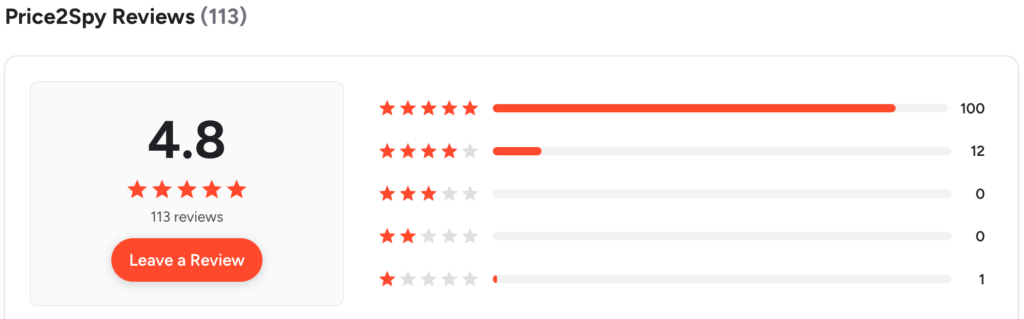
Price2Spy has a 4.8/5 average rating on G2 from 105 reviews, with praise for its pricing features, support and easy setup. It’s the only monitoring tool on this list, included because retailers often compare it with optimization software.
What Are the Key Features to Look for in Price Optimization Software?
The 5 features to look for in price optimization software are elasticity-based demand forecasting, retail-specific pricing rules, unified lifecycle planning, explainable recommendations and strong integrations. For each one, we’ve added a question to ask in the demo, so you can test the vendor’s claims.
#1: Demand Forecasting Based on Price Elasticity
Price elasticity measures how much demand changes when a price moves, and it’s at the core of all price optimization software tools. The thing to watch is how the model handles new or slow-moving products with little sales data. Stronger models fill those gaps with predictive pricing analytics, learning from similar products, categories and stores.
Ask in the demo: “Show me the elasticity estimate for a slow-moving product and how confident the model is.”
#2: Pricing Rules That Reflect How Retail Works
A mathematically optimal price is useless if it breaks your pricing strategy. Look for price optimization software solutions with rules for price families, private-label gaps to brands, price endings, minimum margins and your price index on key value items (KVIs). The best tools build these rules into the optimization itself.
Ask in the demo: “What happens when a recommended price breaks one of our rules?”
#3: Price, Promotion and Markdown Planning in One System
Regular prices, promotions and markdowns all affect each other, so running them in separate tools can make them work against each other. Look for software that bases all 3 on the same demand model, with promotion analytics, multibuy management and markdown optimization built in.
Ask in the demo: “Does the promo model use the same elasticity data as regular pricing?”
#4: Explainable Recommendations and Scenario Simulation
Your pricing team, category managers and finance all need to trust a price before it goes live. Transparent “glass-box” software shows which factors drove each recommendation, lets you simulate the effect on sales and margin and lets your team override a price to see what it costs.
Ask in the demo: “Why did the system recommend this price, and what would happen if we overrode it?”
#5: Integrations With Your Retail Systems
How quickly you see results depends on the price optimization software integration. The tool needs clean data from your ERP, point-of-sale (POS) and loyalty systems and competitor feeds, and it has to push approved prices back to stores, e-commerce and shelf labels.
Ask in the demo: “Which of our systems do you already integrate with, and how long did your last similar integration take?”
How to Pick the Right Price Optimization Software as a Retailer?
Pick the tool that solves your biggest pricing problem with the data you already have, and prove it works on your own categories before you sign. These are the 5 steps to follow:
#1: Define the Pricing Decision You Want to Improve
“Better pricing” isn’t a requirement. The first thing you must do is decide what your biggest pricing issue is, whether that’s standard prices, promotions, markdowns or reacting to your competitors. If you only need to react to competitors, monitoring software and a solid competitive pricing analysis may be enough.
#2: Match the Tool to Your Retail Format and Size
Retail price optimization software vendors tailor to different formats and sizes of users. As mentioned in our article on the best grocery pricing software, grocery and FMCG chains need tools able to handle large assortments of products, weekly promotions and private label rules.
But if you sell through quotes and contracts, B2B price optimization and management software such as Zilliant or Pricefx may suit you better.
#3: Check Your Data Readiness
Even the best AI price optimization software is only as good as the data it learns from. Make sure you have clean transaction data by product and store, costs, promo history and ideally competitor prices, and ask each vendor how much history its models need.
#4: Test It on Your Own Data
A polished demo shows the best case, so ask shortlisted vendors to backtest on your data or run a pilot on a few categories, ideally with control stores. Agree on the success metric first, whether that’s gross margin, sales volume or price perception. As a benchmark, McKinsey reports that retailers who pilot dynamic pricing with their own teams typically see 2 to 5% sales growth and 5 to 10% higher margins.
#5: Compare Total Cost and Time to Value
Most price optimization software is quote-based, so compare the full cost of license, implementation, data preparation and your team’s time. A cheaper tool that takes a year to go live often costs more than it saves.
Conclusion: What Is the Best Price Optimization Software 2026?
There’s no single best price optimization software for every retailer. Grocery and FMCG chains that want price, promotion and markdown decisions in one system should start with Yieldigo or RELEX, while large multichannel retailers will want to compare Competera, Revionics and Quicklizard.
Online retailers will get more from Omnia Retail, 7Learnings or BlackCurve, and retailers with a B2B side from Pricefx or Zilliant. Use this price optimization software list as a starting point, then test your top 2 or 3 picks on your own data before you sign.
If Yieldigo is on your shortlist, talk to a Yieldigo pricing expert to see how it handles prices, promotions and markdowns on your own data.
FAQs:
What is the best price optimization software?
It depends on your retail format. For grocery and FMCG chains, Yieldigo is the best price optimization software on our list because it handles prices, promotions and markdowns in one system. Online retailers should compare Omnia Retail and 7Learnings, while enterprises should look at Competera and Revionics.
How much does price optimization software cost?
Most price optimization software providers don’t publish prices and quote each retailer based on assortment size, store count and the modules you need. Among the tools we compared, BlackCurve has a free plan and paid plans from £99 per month, Price2Spy starts at $157.95 per month and Omnia Retail at €399 per month.
How does price optimization software work?
Price optimization software learns from your sales history how demand changes at different prices. It then weighs costs, competitor prices, promotions and seasonality and recommends the price that best meets your goal, such as margin or volume, within the pricing rules you set.
How to measure ROI on price optimization software?
Run the software’s prices in test stores or categories and compare them with control groups over the same period. Track gross margin, revenue and volume, then set the gain against the full cost, including license, implementation and your team’s time.
What is the best fuel price optimization software?
Fuel retailers usually turn to specialists such as Kalibrate Fuel Pricing or PDI Fuel Pricing, which use competitor and market data to set prices site by site and balance fuel volume against margin.
How do I choose price optimization software?
Start with the pricing decision you most need to improve, then shortlist price optimization software companies that build for your retail format and size. Check your data, test the finalists on your own categories and compare total cost and time to value before you sign.
What is the best software for pricing products?
It depends on the job. Price optimization software recommends prices based on predicted demand, dynamic pricing software changes prices automatically by rule and monitoring tools such as Price2Spy track competitor prices. Mordor Intelligence values the price optimization software market at $1.68 billion in 2025, with retail and e-commerce making up about 30% of that revenue.
What are the 5 C’s in pricing?
The 5 C’s of pricing are costs, customers, competitors, channels and compatibility with your business goals. Some textbooks list company objectives instead of compatibility. Price optimization software helps with the first 3 by combining cost data, demand forecasts and competitor prices.
What is the best dynamic pricing software?
On our list, Omnia Retail is the best fit for rule-based dynamic pricing, especially if you price against marketplaces and Google Shopping. BlackCurve suits small online stores, and Quicklizard combines AI recommendations with automatic repricing.
How important is price elasticity when selecting pricing optimization software?
Very important. Price elasticity tells you how much demand changes when a price moves, and every recommendation depends on it. Without it, software can only follow rules like matching a competitor, so ask vendors how they estimate elasticity for new and slow-moving products.